The Democracy of the Dunk Tank
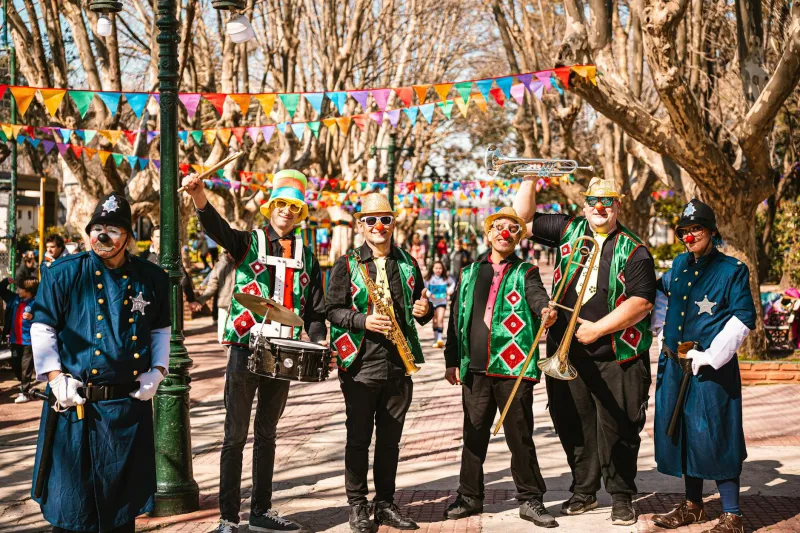
There's something beautifully subversive about watching a parish councillor get soaked in a dunk tank whilst a brass band plays 'Jerusalem' in the background. The Great British village fête might seem like quaint nostalgia, but scratch beneath the surface of bunting and bric-a-brac stalls, and you'll find our most democratic cultural institution at work.
Whilst heritage organisations debate how to make culture 'accessible', village fêtes have been quietly getting on with it for centuries. Here, the vicar's wife sells jam alongside the teenager with purple hair, the local farmer judges the flower competition, and three generations dance to the same Morris side on the village green.
"People think fêtes are just about raising money for the church roof," says Margaret Thornley, who's organised the Wensleydale Village Fête for thirty-seven years. "But they're really about keeping us connected to who we are."
Where Tradition Meets Innovation
The genius of the village fête lies in its ability to evolve whilst preserving its essential character. Walk through any fête today and you'll find ancient traditions sitting comfortably alongside modern innovations. The coconut shy remains, but so does the smartphone photography competition. Morris dancers share the stage with local indie bands. Traditional crafts demonstrations happen next to climate action stalls.
In Llanfairpwll, Anglesey, the annual fête has become a showcase for Welsh language storytelling, with local bards performing alongside the usual brass band selections. "We've always told stories here," explains Cerys Williams, a tradition keeper and primary school teacher. "The fête just gives us a platform that feels natural, not forced."
This organic evolution distinguishes village fêtes from more formal cultural events. There's no Arts Council strategy here, no demographic targets or participation metrics. Just communities deciding what matters to them and making space for it between the tombola and the tea tent.
The Unsung Custodians
Behind every successful fête stands an army of volunteers who double as cultural custodians. These are the people who remember how to judge a Victoria sponge properly, who know which local musicians deserve a slot on the main stage, who understand that the positioning of the beer tent relative to the children's area requires diplomatic skills worthy of the United Nations.
"It's about reading the community," says Derek Holbrook, whose family has run the sound system for the Cotswold village of Chipping Norton's fête for four generations. "You need to know when to stick with tradition and when to try something new. Get it wrong and people just won't come."
This intuitive understanding of community dynamics creates something remarkable: cultural programming that genuinely reflects local identity rather than imposed ideas about what culture should be.
Beyond the Bunting
The cultural significance of village fêtes extends far beyond their immediate entertainment value. They serve as informal archives, preserving local songs, stories, and customs that might otherwise disappear. The elderly lady demonstrating traditional lace-making at the craft tent isn't just showing off a hobby – she's transmitting knowledge that links back centuries.
In the Scottish Borders, the Selkirk Common Riding incorporates fête elements that preserve Border Ballad traditions. Local singers perform songs that tell the area's history, whilst children learn the stories through games and activities. "It's living history," explains ballad singer James Armstrong. "Not something in a museum, but something that's part of how we live now."
The Future of the Fête
As Britain grapples with questions of identity and community in an increasingly fragmented world, village fêtes offer valuable lessons about cultural continuity. They demonstrate that tradition doesn't require preservation in aspic – it thrives when it's allowed to adapt organically to changing circumstances.
The challenge now is ensuring these events survive the pressures of modern life: rising insurance costs, health and safety regulations, and the simple fact that organising them requires enormous voluntary effort. Some communities are finding innovative solutions, partnering with local councils or heritage organisations whilst maintaining their grassroots character.
"The moment a fête stops feeling like it belongs to the community, it dies," warns Margaret Thornley. "That's why we have to be careful about outside help. It's got to feel real, not managed."
Celebrating the Ordinary Extraordinary
Perhaps the greatest achievement of Britain's village fêtes is their ability to make the ordinary feel extraordinary. In our age of spectacular entertainment and digital distraction, there's something revolutionary about an event where the highlight might be a pensioner's prize-winning marrow or a five-year-old's first Morris dance.
These gatherings remind us that culture isn't just what happens in concert halls and galleries. It's the brass band playing on the village green, the stories shared over the cake stall, the songs that emerge when communities come together to celebrate themselves.
In recognising village fêtes as serious cultural institutions, we acknowledge something important: that the most authentic heritage isn't preserved in museums but lived in the everyday acts of communities choosing to gather, celebrate, and remember together. Between the bunting and the brass bands, Britain's villages are quietly keeping the best of who we are alive.