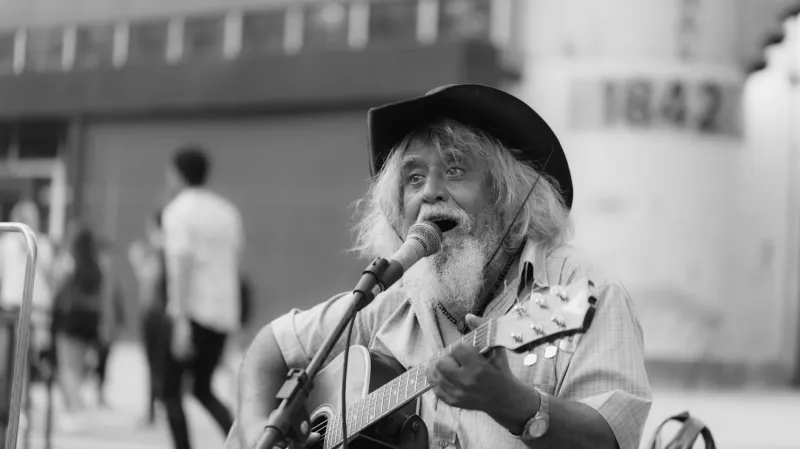
The Wildest Day of Christmas
While most of Britain sleeps off Christmas dinner, something altogether stranger stirs in the lanes of County Kerry, the villages of Anglesey, and the stone streets of Douglas on the Isle of Man. St Stephen's Day—Boxing Day to the English—belongs to the Wren Boys, and their ancient hunt begins before dawn.
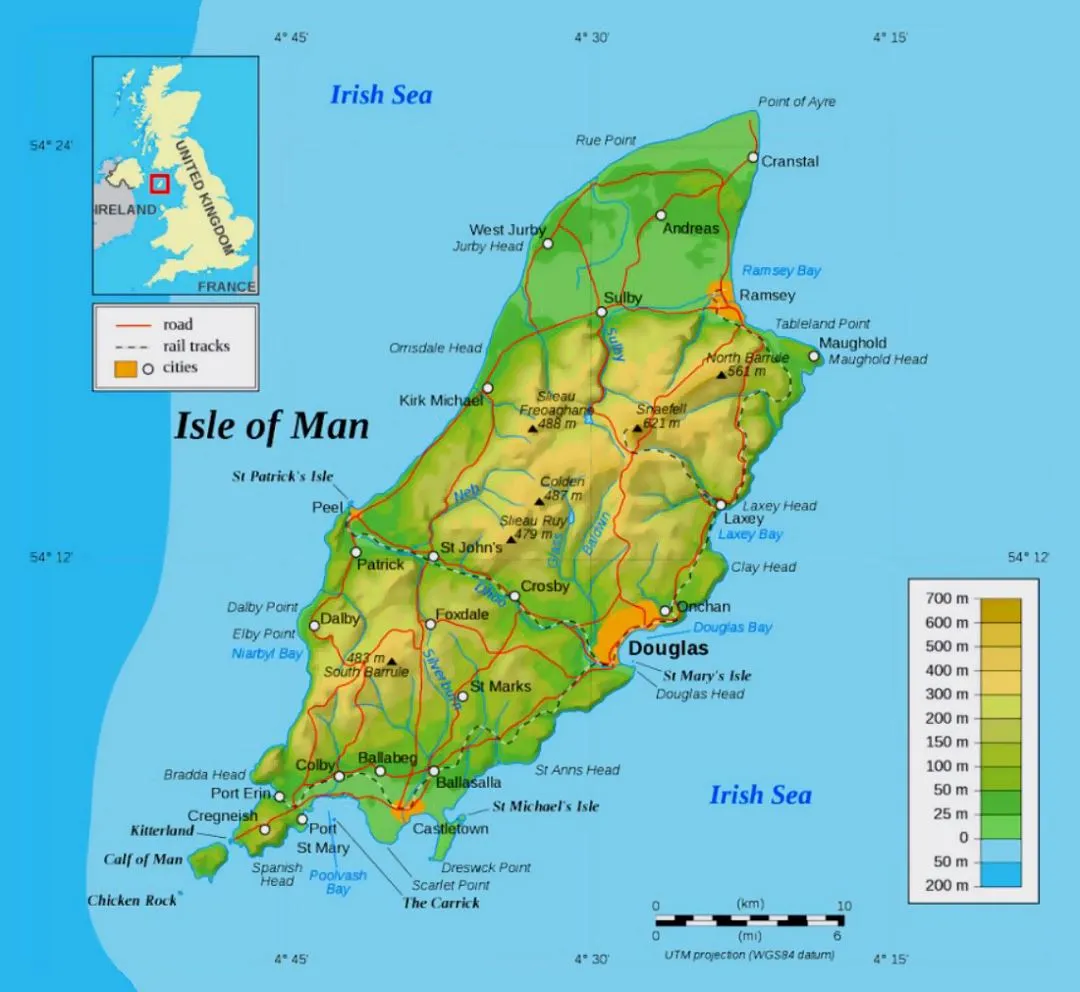 Photo: Isle of Man, via www.mapsland.com
 Photo: County Kerry, via www.sheneedsless.com
They emerge in groups of ten or twenty, faces blackened with soot or hidden behind straw masks, carrying makeshift instruments and a decorated pole crowned with holly, ribbons, and sometimes the body of a tiny bird. Their mission: to visit every house in the village, demanding entry with drums, tin whistles, and songs that date back centuries.
"Hunt the wren, hunt the wren, the king of all birds," they chant, before launching into verses that blend sacred and profane, ancient and immediate, in the way only the deepest folk traditions can manage.
Beyond the Irish Sea
While Ireland claims the strongest hold on this midwinter madness, the hunt for the wren casts a wider net across these isles than most realise. In Pembrokeshire, scattered communities still observe 'Hunting the Cutty Wren,' where groups of children go door-to-door with a toy wren, singing for pennies. The Isle of Man's 'Hunt the Wran' draws hundreds to Cregneash village each year, where the Manx language mingles with ancient melodies in a celebration that feels simultaneously timeless and urgently contemporary.
Even in England, fragments persist. Middleton-in-Teesdale maintains its own Boxing Day procession, while some Yorkshire villages remember songs about the wren's ritual death and resurrection. These scattered survivals suggest something once far more widespread—a British midwinter tradition that transcended the boundaries we now take for granted.
The King Must Die
At the heart of the wren tradition lies a paradox that speaks to winter's deepest mysteries. The wren, smallest of British birds, was once considered king of all feathered creatures—a status earned, according to folklore, by perching on the eagle's back and flying highest of all. Yet on St Stephen's Day, this tiny monarch must die.
The symbolism cuts deep. In the darkest days of the year, when light seems most fragile, communities across the Celtic world enacted the death of the old year's king and his resurrection in new form. The wren's sacrifice—real or symbolic—mirrors the solar cycle itself, the necessary death that precedes rebirth.
"It's not about cruelty," explains Seamus O'Sullivan, who leads a wren group in West Cork. "It's about acknowledging that something must end before something else can begin. The wren carries the old year away with him."
Masks, Money and Community
The Wren Boys' disguises serve multiple purposes beyond mere tradition. Blackened faces and straw costumes create anonymity, allowing participants to step outside normal social roles. The village doctor might find himself singing alongside the postman, both unrecognisable beneath their masks, both equal in the ritual democracy of the hunt.
This temporary inversion of social order extends to the economic realm. The money collected—once genuinely needed by the poor, now often donated to charity—transforms begging into performance, poverty into power. The householder who refuses the Wren Boys risks bad luck for the coming year, while those who give generously earn protection and prosperity.
Living Tradition, Modern World
Today's Wren Boys navigate the same challenges facing all traditional customs: how to maintain authenticity while adapting to contemporary life. Some groups have embraced social media, sharing videos of their performances across global networks. Others resist any change, maintaining practices exactly as their grandparents taught them.
In Dingle, County Kerry, the tradition has evolved to include women—once forbidden participants—while maintaining its essential character. The songs remain unchanged, passed down through oral tradition with the precision of medieval manuscripts. The costumes still prioritise anonymity over beauty, function over form.
"We're not museum pieces," says Mary Fitzgerald, whose family has participated in Dingle's wren hunt for six generations. "This is a living thing. It has to breathe with the times or it dies."
The Deeper Current
The hunt for the wren reveals something profound about British folk culture's relationship with winter. While other traditions focus on light's return—Christmas candles, Yule logs, Twelfth Night celebrations—the wren hunt embraces darkness itself. It acknowledges death as winter's central truth, finding in that acknowledgment not despair but fierce joy.
This acceptance of life's darker rhythms connects the Wren Boys to older currents in British culture: the Mari Lwyd's skull-horse wandering Welsh valleys, the Padstow Hobby Horse's May Day resurrection, the countless customs that transform seasonal anxiety into communal celebration.
The Hunt Continues
As climate change disrupts traditional seasonal patterns and urbanisation distances communities from natural rhythms, the hunt for the wren offers something increasingly rare: a direct line to pre-industrial ways of marking time. Its survival across centuries of social upheaval speaks to something deeper than nostalgia—a recognition that some truths about living in these islands transcend the particular circumstances of any single generation.
On St Stephen's Day, when the Wren Boys emerge with their drums and masks and ancient songs, they carry more than tradition. They carry the accumulated wisdom of countless winters, the knowledge that darkness and light, death and rebirth, individual and community, are not opposites but partners in the dance that keeps the world turning.
The hunt continues, and the wren—king of all birds, sacrifice of midwinter—leads them forward into another year.