The Mud Beneath Our Feet
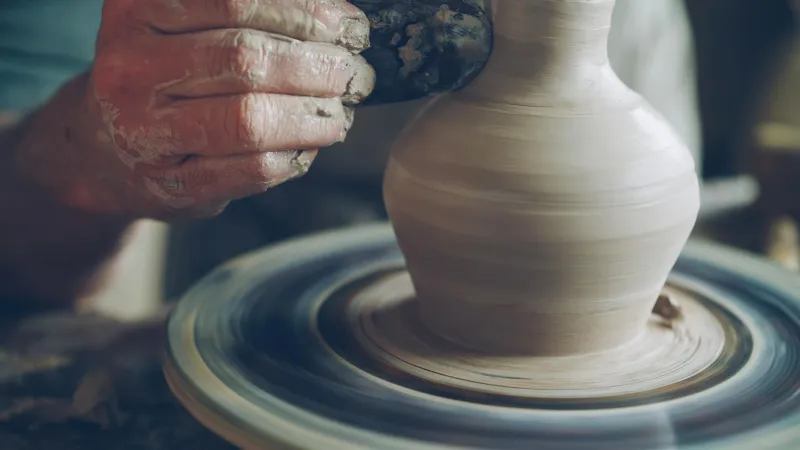
In a converted barn outside Barnstaple, Sarah Monk's hands disappear into a bucket of local clay, her fingers reading the earth like braille. "This stuff comes from three fields over," she says, working the Devon red clay that's been dug from the same spot for four centuries. "When you fire it, you get this incredible honey glaze that you simply can't replicate with commercial clays."
Monk is part of a growing movement of ceramicists who've turned their backs on the sterile predictability of mass-produced materials. Instead, they're returning to hyperlocal traditions, digging their own clay, building their own kilns, and teaching their communities that pottery isn't just about making pots—it's about understanding place.
The Language of Local Clay
Every region speaks its own ceramic dialect. In the Potteries, where Stoke-on-Trent built an empire on local marl, a handful of makers are reviving slip-trailing techniques that died out when factories mechanised. Down in Cornwall, others are working the china clay waste that's been piling up in white pyramids for generations, transforming industrial byproduct into something beautiful.
"Clay has memory," explains Tom Kemp, who runs workshops from his studio in the Yorkshire Dales. "This Wensleydale clay fires completely differently to anything you'll find twenty miles south. It's temperamental, unpredictable, but when you get it right, there's a character in the finished piece that speaks of exactly where it came from."
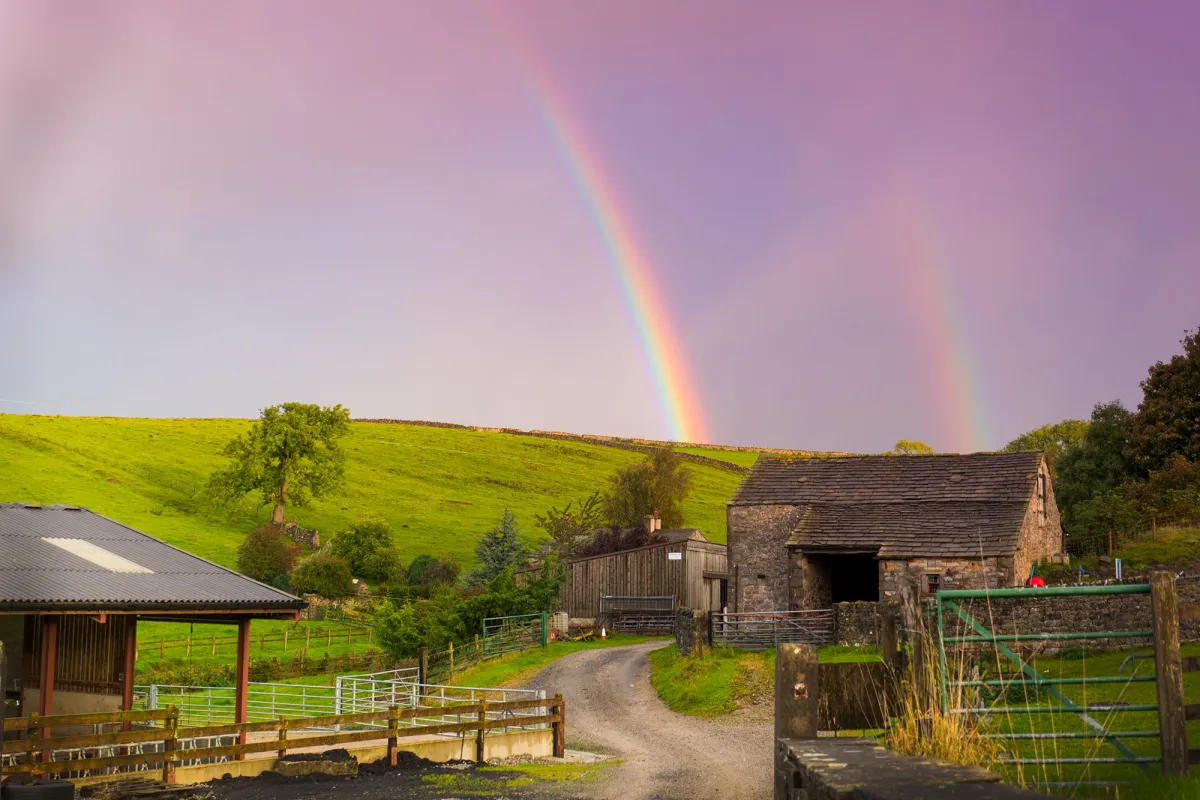 Photo: Yorkshire Dales, via www.yorkshiredales.org.uk
Kemp's salt-glazed stoneware follows techniques unchanged since medieval times. His kiln, built from local stone and fired with wood from the surrounding fells, creates atmospheric conditions that commercial gas kilns simply can't match. The salt, thrown into the firebox at peak temperature, vaporises and settles on the clay surface, creating the distinctive orange-peel texture that defines Yorkshire pottery.
Teaching the Old Ways
These aren't hobby potters throwing weekend workshops for stressed urbanites. The makers leading this revival see themselves as custodians of knowledge that took centuries to develop and could disappear within a generation. Their teaching goes deeper than technique—they're passing on an entire philosophy of making that connects people to their landscape.
At the Muchelney Pottery in Somerset, master potter John Leach runs apprenticeships that last three years. Students don't just learn to throw pots; they learn to read clay, to understand fire, to see how generations of local potters solved the same problems they're facing now.
 Photo: Muchelney Pottery, via i.servimg.com
"We're not trying to recreate museum pieces," Leach explains, his hands shaping a traditional cider jar on the wheel. "These techniques evolved because they worked. Local clay, local firing materials, local needs. When you understand that connection, you're not just making pottery—you're continuing a conversation that's been going on for centuries."
The Stakes of Survival
The knowledge these potters carry is fragile. Many of the old-timers who bridged the gap between industrial pottery and handmade traditions are in their seventies and eighties. Their understanding of local clay bodies, of how different woods affect firing, of the subtle adjustments needed to work with temperamental materials—all of this exists largely in their hands and heads.
"We're racing against time," admits Helen Swain, who documents traditional pottery techniques across the West Country. "Every month, I hear about another old potter who's stopped working, another kiln that's been demolished. Once that knowledge is gone, it's incredibly difficult to reconstruct."
Some traditions have already been lost. The distinctive black pottery of Buckley in Wales, made from local clay and fired in coal-burning kilns, effectively died out in the 1960s. Recent attempts to revive it have struggled because the original clay sources have been built over or exhausted.
Community at the Wheel
What distinguishes this movement from the studio pottery boom of the 1970s is its emphasis on community involvement. These makers aren't retreating into rural idylls; they're actively engaging with their neighbours, running sessions in village halls, teaching in local schools, and involving entire families in the process of digging, preparing, and firing clay.
In the Forest of Dean, the Hewelsfield Pottery runs monthly community firings where anyone can bring greenware to be fired in their wood-burning kiln. The day-long firing becomes a social event, with families taking turns to stoke the firebox and monitor temperatures. Children who've never seen pottery made by hand watch their school projects transformed by flame and smoke.
"It's about ownership," explains pottery founder Mike Dodd. "When someone's been involved in every stage—from digging the clay to stoking the fire—that pot means something completely different to them. They understand the effort, the skill, the risk involved."
The Future in Ancient Hands
The success of these initiatives suggests that appetite for authentic, place-based making hasn't disappeared—it's simply been buried under decades of mass production and globalisation. People want to understand where things come from, how they're made, and what connects them to the places they live.
As Sarah Monk pulls another pot from her kiln, the Devon clay transformed into something both ancient and contemporary, she reflects on what drives her work: "Every pot tells the story of where it was made—the clay, the water, the fire, the hands that shaped it. In a world where everything looks the same, that local identity becomes precious."
The village potters keeping these traditions alive aren't just preserving techniques—they're preserving a way of thinking about making that values place over profit, community over convenience, and the deep satisfaction of working with materials that carry the memory of the landscape itself.