The Revival Begins with a Pint
There's something magical happening in the back rooms of Britain's traditional pubs. Every Tuesday evening at The Lamb & Flag in the Cotswolds, what starts as a few locals nursing pints gradually transforms into something far more significant. By half past eight, fiddles emerge from worn cases, bodhráns appear from behind bar stools, and voices rise in harmonies that have echoed through these stone walls for generations.
This scene is being replicated across the country, from the Highland inns of Scotland to the coaching houses of Devon. The informal pub session—once the backbone of British folk tradition—is experiencing an unexpected renaissance, and it's happening largely under the radar of mainstream music culture.
Learning the Old Way
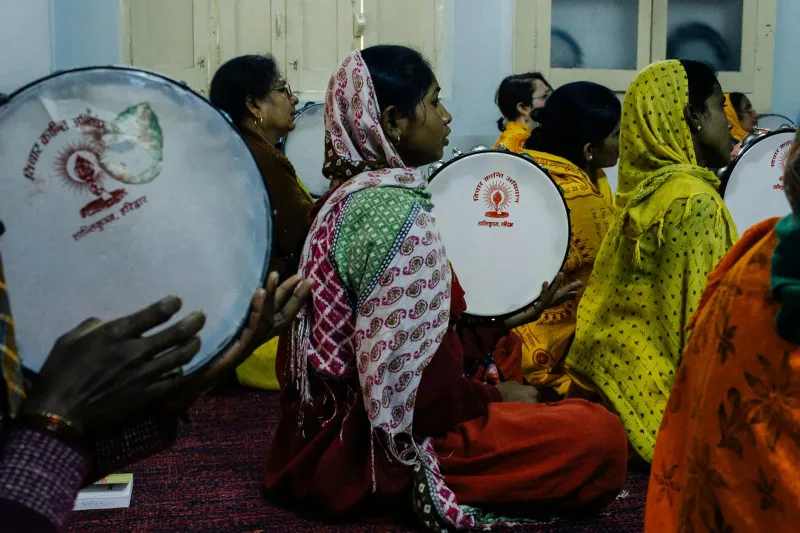
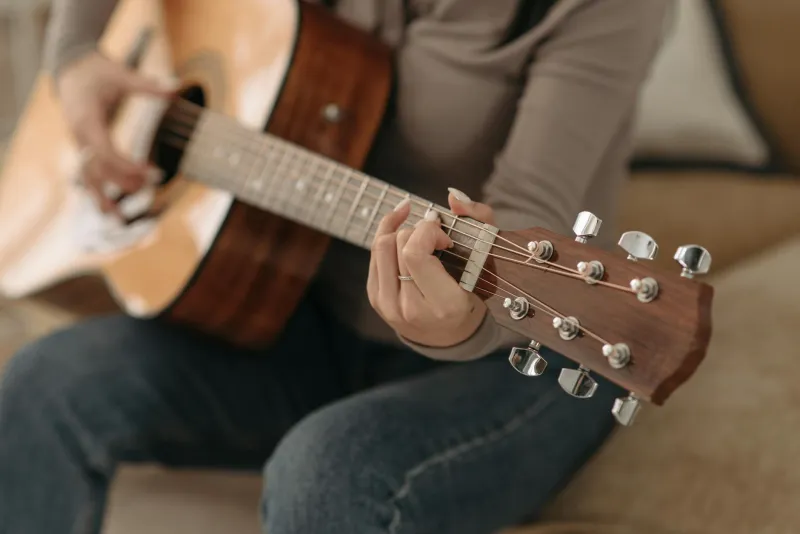
What makes these gatherings special isn't just the music; it's how the music is shared. Unlike formal concerts or structured classes, pub sessions operate on the ancient principle of oral tradition. Tunes are passed along by ear, with newcomers picking up melodies through repetition and gentle guidance from seasoned players.
"We don't use sheet music here," explains Margaret Thornton, who's been hosting sessions at The White Hart in Northumberland for over a decade. "It's all about listening, watching, and feeling your way into the tune. That's how our grandparents learned, and that's how we keep the tradition alive."
This approach creates something remarkable: a living, breathing archive of regional music that adapts and evolves with each telling. A Border ballad might acquire subtle variations as it travels from the Scottish Borders to the Yorkshire Dales, each version carrying the fingerprint of its local community.
The Unexpected Draw for Digital Natives
Perhaps most surprisingly, these decidedly analogue gatherings are attracting younger musicians in unprecedented numbers. At The Crown in Glastonbury, session regular Jamie Patterson, a 24-year-old software developer, describes the appeal: "After spending all day staring at screens, there's something profoundly grounding about sitting in a circle with acoustic instruments, learning tunes the way people have for centuries."
This sentiment is echoed across the country. In an era of Spotify algorithms and digital perfection, the imperfect, communal nature of pub sessions offers something increasingly rare: authentic human connection through shared creativity.
Regional Flavours and Local Heroes
Each region's sessions reflect their unique musical heritage. In the Scottish Borders, The Plough Inn in Melrose hosts gatherings where ancient reels mingle with newer compositions inspired by local landscapes. The repertoire naturally gravitates towards tunes with connections to local history—songs about long-forgotten battles, seasonal celebrations, and the working lives of past generations.
Down in Cornwall, The Ship Inn in Mousehole has become legendary among folk circles for its sea shanty sessions. Here, fishing families who've worked these waters for generations share songs that once helped coordinate the hauling of nets and the rhythm of rowing.
More Than Music
These sessions serve as informal cultural centres for their communities. They're places where local history is preserved through song, where newcomers to an area can quickly find their place, and where different generations naturally mingle. At The George in Stamford, 78-year-old concertina player Arthur Mills regularly shares tunes with university students, creating bridges across decades of cultural change.
"It's not just about preserving old songs," notes Dr. Sarah Fleming, an ethnomusicologist at Newcastle University who studies folk revival movements. "These sessions are creating new traditions while maintaining connections to older ones. They're proving that tradition isn't about museum pieces—it's about living culture."
The Quiet Revolution
What's particularly striking about this revival is its grassroots nature. There's no central organisation, no government funding, no corporate sponsorship. Instead, it's sustained by the simple desire of communities to gather and make music together. Pub landlords provide the space, local musicians provide the expertise, and newcomers provide fresh energy and enthusiasm.
The sessions operate on unwritten rules that have evolved over generations: everyone's welcome regardless of skill level, egos are checked at the door, and the music takes precedence over individual performance. It's a model of cultural democracy that feels particularly relevant in our increasingly polarised times.
Looking Forward
As Britain grapples with questions of identity and community in the 21st century, these humble pub sessions offer something precious: a sense of place, continuity, and shared purpose. They're proving that traditional culture doesn't need to be preserved in aspic—it can adapt, evolve, and remain vibrantly relevant.
The next time you pass a pub on a weeknight and hear the faint sound of fiddles and voices, consider stepping inside. You might just find yourself part of something much larger than a casual music session—you might discover you're participating in the quiet revolution that's keeping the soul of British folk culture beating strong.