The Music That Travelled
While academics debated the authenticity of Celtic music in university halls, Scotland's Traveller communities were living it. Generation after generation, families like the Stewarts, MacPhees, and Townsleys carried songs in their very bones—melodies that had survived clearances, persecution, and centuries of social marginalisation.
These weren't museum pieces preserved behind glass. They were working songs, sung around campfires and at horse fairs, woven into the fabric of daily life. The waulking songs that once helped Highland women full cloth found new life in Traveller camps, adapted and evolved but never forgotten.
"My grandmother could sing for hours without repeating herself," recalls Julie Fowlis, whose own musical journey has been deeply influenced by Traveller traditions. "These families were walking libraries of song, carrying hundreds of ballads and airs that had completely disappeared from settled communities."
From Margins to Mainstream
The irony wasn't lost on many: while the folk revival of the 1960s sent collectors scrambling across Scotland for "authentic" traditional music, some of the most authentic voices were being ignored or, worse, exploited. Traveller singers like Jeannie Robertson and the Stewart family found themselves simultaneously celebrated for their musical knowledge and ostracised for their way of life.
Today's generation of musicians with Traveller heritage faces a different challenge. Artists like Siobhan Miller and members of the extended Robertson clan are bringing these inherited melodies to festival stages and recording studios, but the question of cultural ownership remains complex.
"There's always been this tension," explains Dr. Gary West from the University of Edinburgh's Celtic and Scottish Studies department. "How do you honour and preserve these traditions while ensuring the communities that kept them alive receive proper recognition?"
The Sound of Survival
What makes Traveller music distinct isn't just its repertoire—it's the way it's been shaped by a nomadic lifestyle. Songs had to be memorable, portable, and adaptable. They carried stories across counties and countries, picking up influences and shedding verses as they travelled.
The sean-nós singing style, with its ornate decorations and deeply personal interpretations, found particular favour among Traveller communities. Each singer could make a song their own while respecting its essential character—a perfect match for people whose lives were defined by movement and adaptation.
"You can hear it in the way they approach a melody," notes traditional music researcher Fiona Dalgetty. "There's a freedom there, a confidence that comes from knowing these songs aren't just performances—they're part of who you are."
Modern Voices, Ancient Echoes
At this year's Celtic Connections festival in Glasgow, the influence of Traveller traditions was unmistakable. From the haunting ballad interpretations of young singers like Robyn Stapleton to the innovative arrangements by bands incorporating Traveller-sourced material, the musical DNA was clearly traceable.
But recognition brings its own challenges. As these songs find new audiences through streaming platforms and international festivals, questions arise about attribution and compensation. Who owns a song that's been passed down orally for centuries? How do you credit a community rather than an individual?
The Road Ahead
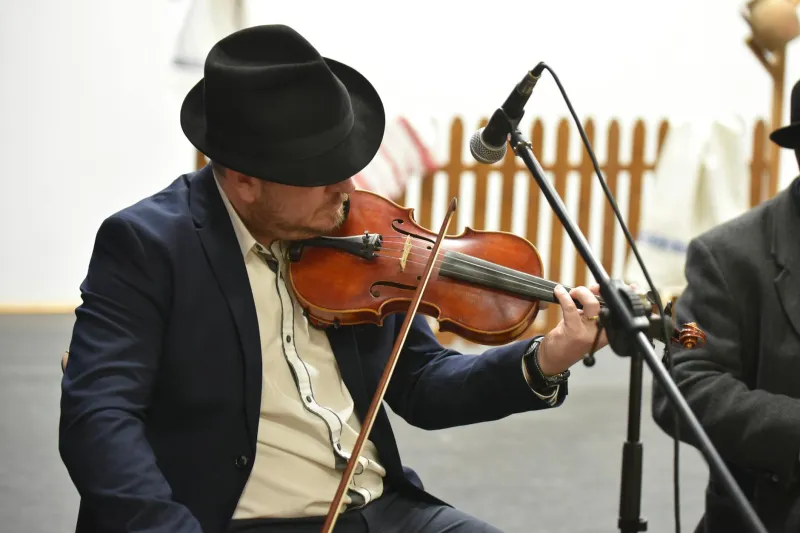
Some of Scotland's most promising young traditional musicians are grappling with these questions firsthand. Take Shona Donaldson, a fiddler whose great-grandfather was a well-known Traveller musician. Her approach to traditional tunes carries the rhythmic pulse of the road, the subtle variations that mark a melody as having been truly lived rather than simply learned.
"I'm not trying to be a museum curator," Donaldson explains. "These songs were never meant to stay the same forever. But I want people to understand where they came from, who kept them alive when others forgot."
The challenge now is ensuring that as Scotland's traditional music continues to evolve and find new global audiences, the communities that served as its guardians aren't written out of the story. It's about more than historical accuracy—it's about justice.
Songs Without Borders
Perhaps the most remarkable aspect of the Traveller contribution to Scottish music is how it mirrors the communities themselves: resilient, adaptable, and impossible to contain within conventional boundaries. These songs crossed linguistic, geographical, and social divides long before anyone coined terms like "world music" or "cultural fusion."
Today, as Scotland grapples with questions of identity and belonging, the music preserved by its Traveller communities offers a different model—one where tradition and innovation dance together, where authenticity isn't about purity but about truth.
The road continues, and the songs travel with it. In community centres and concert halls, around kitchen tables and festival stages, the melodies that refused to be silenced continue to find new voices. They remind us that sometimes the most powerful way to preserve something is to keep it moving.