When Parchment Speaks
The smell hits you first – that distinctive tang of oak gall ink mixing with the earthy scent of vellum. In a converted stable behind a Victorian terrace in Canterbury, Sarah Whitfield dips her quill into a pot of ink she's brewed from medieval recipes. Around her, sheets of calfskin parchment hang like prayer flags, each one destined to carry words that will outlast their writer by centuries.
"People think we're playing at being medieval," Sarah says, her hand moving in practiced strokes across the cream-coloured surface. "But this isn't re-enactment. It's continuation."
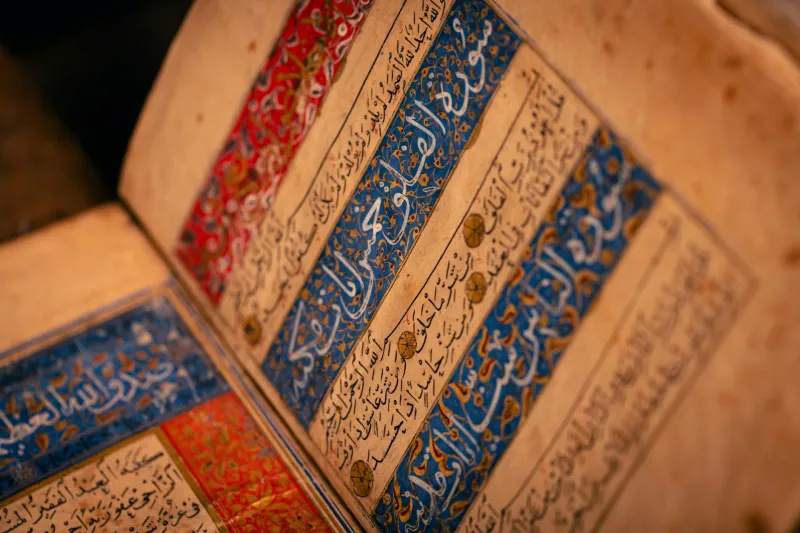
Sarah is one of perhaps fifty serious manuscript makers working across Britain today – craftspeople who've chosen to keep alive an art form that once defined how knowledge moved through the world. From the Outer Hebrides to the Cornish coast, they're creating new works using techniques that haven't changed since Brother Eadfrith illuminated the Lindisfarne Gospels thirteen centuries ago.
The Chemistry of Memory
The materials tell their own story. Oak gall ink, made from the growths that form when wasps lay eggs in oak bark, creates a black so deep it seems to absorb light. Mix it wrong and it'll eat through parchment within decades. Get it right, and your words will outlive empires.
"Every batch is different," explains Marcus Chen, who runs workshops from his Cotswolds studio. "The oak galls from different trees, different seasons, they all behave differently. You have to listen to what they're telling you."
Marcus learned his craft from a retired monk at Ampleforth Abbey, part of an informal network of knowledge that stretches back through generations. His workshop shelves are lined with jars of pigments ground from lapis lazuli, vermillion, and gold leaf so thin it floats on breath.
But these aren't museum pieces gathering dust. Marcus's recent commissions include a hand-lettered charter for a Yorkshire village celebrating its millennium, wedding vows written on vellum for couples wanting something more permanent than paper, and a series of broadsides featuring contemporary folk songs collected from sessions across the Dales.
Words That Wander
The connection between manuscript-making and Britain's folk traditions runs deeper than decoration. In the Shetlands, calligrapher Morag Sinclair has spent five years creating illuminated versions of traditional ballads, working with local singers to capture not just the words but the rhythm and breath of oral performance.
"When you write something by hand, you inhabit it differently," she explains from her workshop overlooking Lerwick harbour. "Every letter forces you to slow down, to consider the weight of each word. You start to understand why these songs survived – they're built to last."
Morag's work has become a focal point for Shetland's folk community. Local musicians gather monthly to see her progress on the 'Shetland Codex' – a collection of traditional songs and stories that exists nowhere else in written form. The manuscript has become a catalyst for remembering half-forgotten verses, with elderly singers contributing fragments passed down through their families.
The Guild Reborn
What began as individual passion projects is evolving into something more structured. The Society for Scribes and Illuminators, founded in 1921, now boasts over 800 members across the UK. But it's the smaller, regional groups that are driving innovation.
In Wales, Cymdeithas Ysgrifenwyr Cymru (the Welsh Scribes Society) has partnered with the National Library to create contemporary manuscripts in Welsh and English. Their current project involves local poets and storytellers creating new works specifically for the vellum page.
"Digital text is ephemeral," says society member Cerys Evans, working on a manuscript that weaves together mining songs from the Rhondda. "Hard drives fail, formats become obsolete. But parchment and oak gall ink? They're forever."
The Slow Revolution
There's something quietly subversive about choosing to work with materials that take months to prepare and techniques that can't be rushed. In an age of instant communication, these craftspeople are embracing radical slowness.
"My daughter thinks I'm mad," laughs James Morrison, who runs manuscript workshops from his farm in the Scottish Borders. "She can type faster than I can think. But when I show her a page I've been working on for weeks, she gets it. There's something about handmade letters that carries more weight."
James's workshops attract an unlikely mix – retired teachers, young artists, historians, and what he calls 'refugees from the screen'. Many come seeking a more tactile connection to words and stories. Some stay to learn the full craft.
Living Letters
The manuscript makers of today aren't trying to recreate the past wholesale. Instead, they're adapting ancient techniques to serve contemporary needs. Community archives commission hand-lettered charters. Folk clubs want their songs preserved in permanent form. Families seek heirloom documents that will survive digital apocalypse.
"We're not antiquarians," insists Sarah, back in her Canterbury workshop. "We're part of an unbroken chain. Every time someone picks up a quill, mixes ink from oak galls, or stretches vellum, they're keeping something alive that connects us to every scribe who came before."
As evening light slants through her studio windows, Sarah returns to her work – a commission celebrating the 800th anniversary of a Kentish market charter. The letters flow onto parchment like a river finding its course, each stroke a small act of defiance against the ephemeral nature of modern life.
In workshops across Britain, the last scribes continue their quiet revolution, one letter at a time.