Winter's Golden Harvest: Following the Reed Cutters Who Crown Britain's Rooftops
First Light on Frozen Water
The alarm sounds at 4:30am, but Tom Whitfield is already awake, listening to the wind rattling his caravan windows. At nineteen, he's the youngest member of the cutting gang working Hickling Broad this winter, and every morning brings the same question: will today be the day he finally masters the rhythm that's been passed down through generations of Norfolk reed cutters?
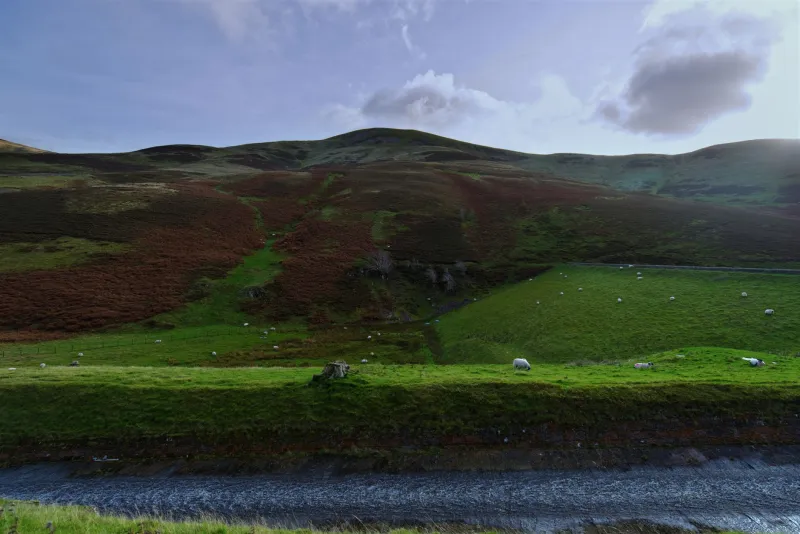
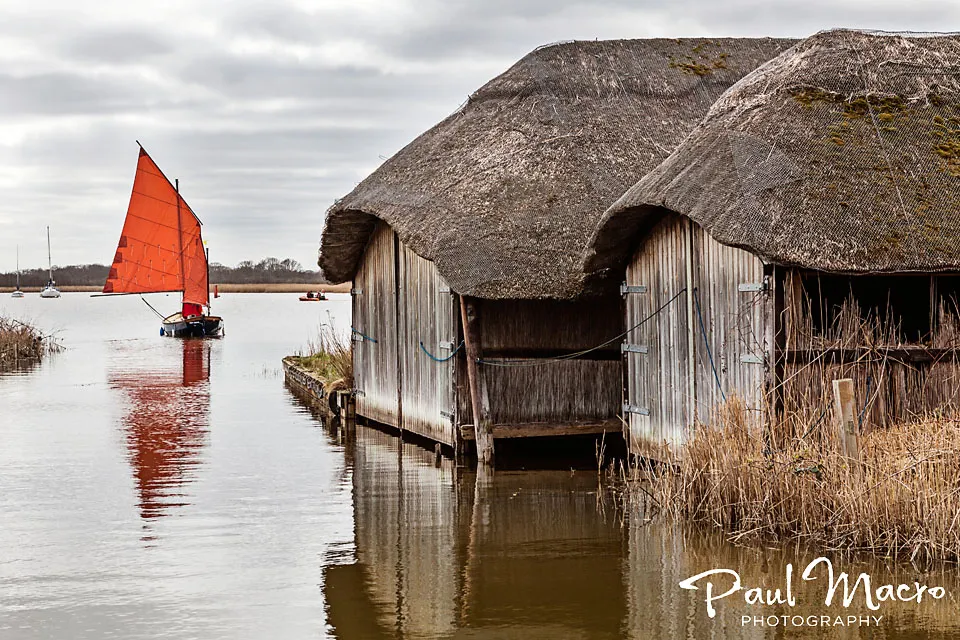 Photo: Hickling Broad, via paulmacrolandscapes.com
"You don't cut reed," his mentor, sixty-year-old Alan Dove, told him on that first December morning. "You dance with it. The reed tells you when it's ready, and you listen."
Now, six weeks into his apprenticeship, Tom is beginning to understand what Alan meant. The Norfolk Broads stretch before them in the pre-dawn darkness, silver with frost and silence. Somewhere in that frozen landscape lies today's harvest — thousands of golden stems that will journey from these watery meadows to crown the rooftops of thatched cottages across southern England.
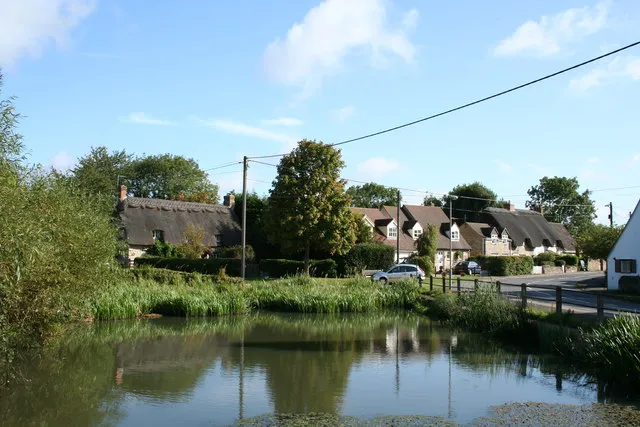
 Photo: Norfolk Broads, via www.lakefun.com
The Ancient Calendar
Reed cutting operates on a calendar older than agriculture itself. The work begins only after the first hard frost has killed the sap and continues until the spring awakening threatens to start the cycle anew. It's a narrow window — perhaps twelve weeks in a good year, sometimes as few as eight when climate patterns shift.
"My grandfather used to say you could read the winter in the reed beds," explains Alan as their punt slides through the morning mist. "Thick ice meant good cutting weather ahead. Thin ice meant trouble. These days, you never know what you'll get from one week to the next."
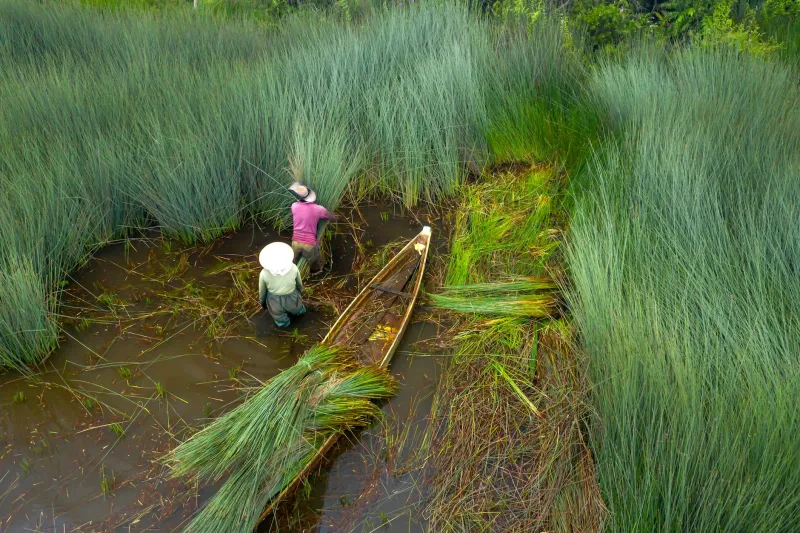
The boat carries the tools of a trade that has changed little in five centuries: long-handled scythes, their blades honed to surgical sharpness; bunching hooks for gathering the cut stems; and the wooden 'reed stooks' that will carry today's harvest back to shore.
Alan's father worked these same beds, as did his grandfather before him. The knowledge they accumulated — which areas produce the strongest stems, how wind patterns affect growth, when exactly the sap retreats for winter — exists nowhere in written form. It lives only in the hands and eyes of men like Alan, and in the tentative movements of apprentices like Tom.
Reading the Golden Grass
By full daylight, they've reached today's cutting ground. What looks like an endless sea of golden grass to the untrained eye reveals its secrets to those who know how to look. Tom is learning to read the subtle signs: the way stems bend in the wind indicates their strength; the colour of the leaves suggests the quality of the harvest; the height and density of growth reveals the health of the bed itself.
"See how these ones stand straight even in the wind?" Alan points to a patch where the reeds rise like soldiers on parade. "That's your premium cutting. One layer of that will outlast three layers of imported reed."
The cutting itself is a meditation in motion. The scythe swings in long, smooth arcs, each stroke gathering a precise bundle of stems. Too few and you waste time; too many and the bundles become unwieldy. The rhythm becomes hypnotic — swing, gather, bundle, move. Tom's back aches and his hands blister, but slowly, very slowly, he begins to feel the dance Alan described.
The Journey from Water to Roof
Back on shore, the day's harvest is sorted with an expertise that would shame a wine connoisseur. Reed is graded not just by length and thickness, but by a dozen subtle qualities that determine its eventual use. The finest stems — straight, golden, and resilient — will form the visible surface of a thatched roof. Shorter lengths become 'undercoat', the hidden foundation that may last centuries. Even the broken pieces find purpose as 'spars' for securing thatch to rafters.
"People think thatch is just pretty," says Sarah Mitchell, the master thatcher who will transform much of today's harvest into roofing. "But a properly laid Norfolk reed roof will outlast three slate roofs. It's not decoration — it's engineering."
Sarah has been thatching for fifteen years, one of a growing number of women entering a trade that was exclusively male for centuries. She sources her reed exclusively from local cutters, part of a supply chain that connects landscape to dwelling in the most direct way imaginable.
"When I lay a roof with Hickling reed, I know those stems grew in soil I could walk to," she explains, running practised hands through a bundle of freshly cut stems. "The house becomes part of the landscape it sits in. You can't get that connection with imported materials."
Climate, Change and Continuity
But this ancient system faces modern pressures. Climate change is shifting the cutting seasons, with milder winters reducing the crucial frost periods that prepare reed for harvest. Imported reed from Eastern Europe, cheaper but less durable, competes with domestic supplies. Most challenging of all, the knowledge itself is at risk as the last generation of traditional cutters ages without enough apprentices to replace them.
"Tom's the first apprentice we've had in five years," Alan admits as they load the day's harvest onto the trailer. "Most young lads want work that comes with central heating and a pension. Can't say I blame them."
Yet Tom seems determined to master this most seasonal of trades. As winter deepens and his technique improves, he's discovering satisfactions that no office job could provide. There's the immediate reward of physical work well done, the deep satisfaction of maintaining a craft that connects him to centuries of predecessors, and the knowledge that his labour will crown rooftops for generations to come.
The Democracy of Thatch
What emerges from a season in the reed beds is more than just building material — it's a reminder of how communities once sustained themselves through intimate knowledge of local landscapes. The thatched cottages that dot Britain's countryside represent a form of architecture that grew from the ground up, quite literally, using materials that could be harvested within walking distance of the building site.
"Every thatched roof is a love letter to the landscape that created it," Sarah reflects as she begins work on a 16th-century cottage in the Suffolk countryside. "The reed remembers the water it grew in, the wind that shaped it, the frost that prepared it for cutting. When you live under thatch, you're living under the sky that made it."
As spring approaches and the cutting season draws to a close, Tom has found his rhythm at last. His bundles are neat, his pace steady, his eye beginning to distinguish the subtle grades that separate good reed from great. More importantly, he's discovered that this ancient trade offers something increasingly rare in modern Britain: work that connects hand to landscape, season to dwelling, past to future.
The reed beds will rest now until next winter's frost returns. But the golden harvest of this season will crown British rooftops for decades to come, carrying with it the knowledge of cutters like Alan and the promise of apprentices like Tom that this most fundamental of crafts will continue to bind dwelling to landscape, one bundle at a time.