The Alchemists' Revival: Brewing Medieval Ink in Modern Kitchens
The Chemistry of Memory
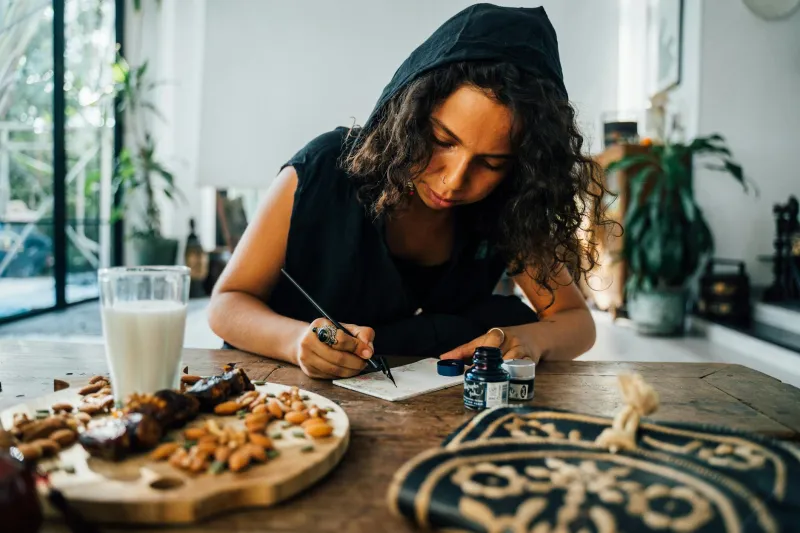
In a converted garage in the Cotswolds, Sarah Jenkins carefully strains a dark, aromatic liquid through muslin cloth. The mixture — water, oak galls, iron sulphate and gum arabic — bears little resemblance to the ballpoint pens most of us reach for daily. Yet this ancient brew connects her directly to every significant document in British history, from the Magna Carta to Shakespeare's manuscripts.
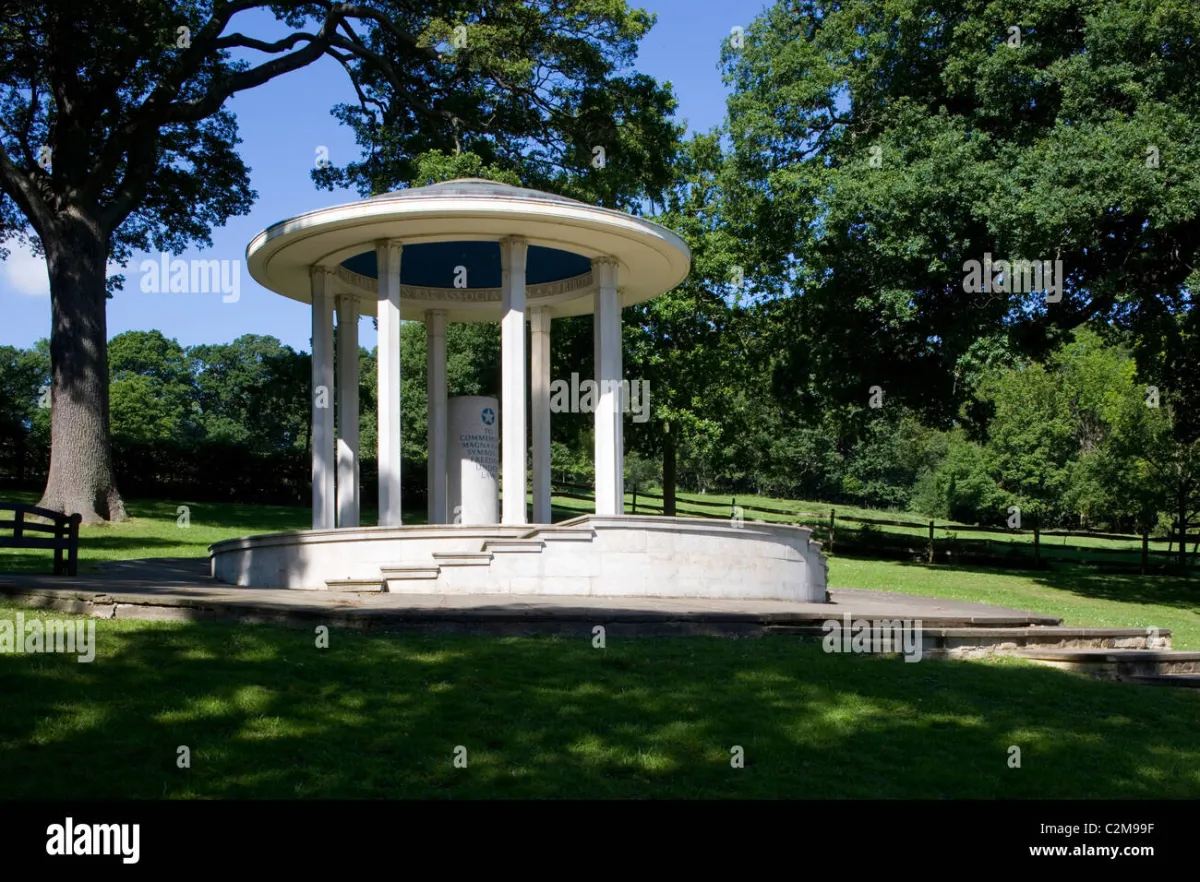 Photo: Magna Carta, via c8.alamy.com
"People think I'm mad," Sarah laughs, adjusting her safety glasses as she measures precise quantities of ferrous sulphate. "But there's something profound about writing with the same substance that recorded our ancestors' thoughts."
Sarah belongs to a quietly growing community of ink enthusiasts who've moved far beyond hobby into obsession. These modern practitioners — calligraphers, historians, bookbinders and curious amateurs — are painstakingly reconstructing medieval recipes that industrial ink production swept aside centuries ago.
Gathering the Ingredients
The process begins in autumn woodlands, where dedicated foragers hunt for oak galls — the small, round growths that form when wasps lay eggs in oak bark. "You need to know your trees," explains Martin Fletcher, a retired chemistry teacher who's spent fifteen years perfecting his technique. "Different oak species produce different tannin levels. English oak gives you the richest colour, but you can work with sessile oak if you adjust your ratios."
Martin's kitchen has become an unlikely laboratory. Mason jars line his shelves, each containing galls at different stages of preparation. Some soak in rainwater for weeks, slowly releasing their tannins. Others wait to be crushed and ground — a process that fills his house with an earthy, wine-like aroma.
"My wife thought I'd lost the plot initially," he admits, stirring a pot that's been simmering for three hours. "Now she helps with the foraging. She's got a better eye for the perfect galls than I do."
The Medieval Recipe Book
The recipes these enthusiasts follow aren't museum pieces — they're living documents, tested and refined through trial and error. Medieval scribes left detailed instructions, but translating 12th-century measurements into modern equivalents requires detective work.
"A 'handful' of galls meant something specific to a medieval monk," explains Dr. Rebecca Morton, a manuscript specialist who runs weekend workshops on historical ink-making. "We've had to experiment with different interpretations. Too much iron and your ink corrodes the paper. Too little and it fades to brown."
Rebecca's workshops attract an eclectic mix: professional calligraphers seeking authenticity, historians wanting to understand their sources, and artists drawn to the meditative process of creation. "There's something about grinding your own materials that changes your relationship with writing," she observes. "You become conscious of every mark."
Modern Monasteries
Some of the most dedicated practitioners work in Britain's active scriptoriums — monastery workshops where traditional calligraphy continues. Brother Thomas at Ampleforth Abbey has been making iron gall ink for over two decades, following recipes passed down through the community.
 Photo: Ampleforth Abbey, via cdn.historichouses.org
"The process hasn't changed since our medieval predecessors," he explains, showing visitors his modest workshop. "We still gather galls from our own oak trees, still grind them by hand, still wait for the chemical reactions to develop properly."
The monastery's approach emphasises patience — a quality often missing from modern ink-making attempts. "Commercial producers want instant results," Brother Thomas notes. "But good iron gall ink improves with age. We have batches that are five years old, still deepening in colour."
The Science Behind the Craft
What draws people to such laborious work when perfectly good ink sits on every shop shelf? For many, it's the alchemy — watching simple organic materials transform through chemical reactions their ancestors understood intuitively.
"Iron gall ink is essentially controlled rust," explains Dr. James Harrison, a conservation scientist who studies historical inks. "The tannins in oak galls bind with iron to create a permanent, waterproof medium. Medieval scribes were natural chemists — they just didn't use our terminology."
This permanence explains iron gall ink's historical importance. Unlike many modern inks, it actually bonds with parchment and paper fibres, creating marks that survive centuries. "Every major British document before 1850 was written in iron gall ink," Dr. Harrison notes. "Understanding how to make it helps us preserve what our ancestors wrote."
Connecting Past and Present
For enthusiasts like Sarah Jenkins, ink-making represents more than historical curiosity — it's a tangible connection to Britain's written heritage. "When I write with my own iron gall ink, I'm using exactly the same process that recorded our laws, our literature, our daily lives for over a thousand years," she reflects.
The community shares knowledge through online forums, local workshops, and informal networks that mirror the guild systems of medieval Britain. Recipes are freely exchanged, techniques debated, failures celebrated as learning opportunities.
"We're not trying to live in the past," insists Martin Fletcher, bottling his latest batch. "We're bringing the past into conversation with the present. Every time someone learns to make iron gall ink, that knowledge stays alive."
As Britain grapples with digital transformation, these quiet alchemists remind us that some traditions deserve preservation not as museum pieces, but as living practices. In their patient grinding of galls and careful measuring of minerals, they're ensuring that the art of making Britain's most enduring ink never truly disappears.