When the Pit Whistle Fell Silent: How Colliery Bands Keep Mining's Musical Heart Beating
The Sound That Wouldn't Die
Every Tuesday evening in the community centre at Grimethorpe, the ghosts gather to listen. Not literal spirits, but the memory of men who once descended into Yorkshire's deepest pit, who emerged black-faced and exhausted to find solace in the gleaming brass instruments that waited in the colliery band room. The Grimethorpe Colliery Band still rehearses here, though the pit closed in 1993 and the headframe was demolished years ago. What remains is something more durable than steel and stone — a musical tradition forged in the hardest conditions, tempered by collective struggle, and passed down through generations who understood that beauty could emerge from the darkest places.
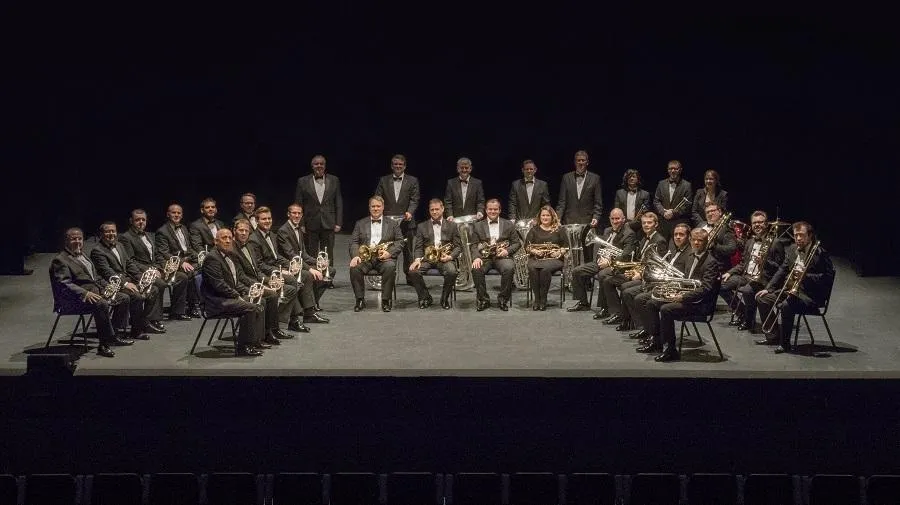 Photo: Grimethorpe Colliery Band, via www.theimperial.co.uk
"People ask why we keep the colliery name when there's no colliery left," says David Thornton, the band's principal cornet player, whose father and grandfather played the same chair before him. "But the colliery isn't just the pit — it's the community, the shared experience, the understanding that music can lift you above anything."
Across Britain's former coalfields, from the Welsh valleys to the pit villages of Durham, colliery brass bands continue to rehearse, compete, and perform. They are living monuments to a way of life that shaped industrial Britain, musical communities that refuse to let their heritage disappear with the headframes and winding wheels.
Born in the Darkness
The tradition began in the mid-19th century, when mine owners discovered that brass bands could provide both recreation for workers and positive publicity for their enterprises. What started as industrial paternalism evolved into something far more significant — a musical culture that gave mining communities a voice, a source of pride, and a means of artistic expression that transcended the brutal realities of underground work.
"The bands weren't just entertainment," explains Dr. Sarah Williams, who has researched the social history of colliery music. "They were a form of collective identity, a way for pit communities to demonstrate their sophistication and culture to a world that often saw them as rough and uneducated."
The music itself reflected this dual purpose. Colliery bands mastered the most challenging pieces in the brass repertoire — complex test pieces that demanded technical virtuosity and musical sensitivity. They performed hymns and popular songs, but also tackled arrangements of classical works that showcased their members' skill and dedication.
In the close-knit world of pit villages, the band room became a second home. Men who spent their days in dangerous, dirty conditions gathered to create music of stunning beauty and precision. The instruments were often the most valuable possessions in working-class households, passed down from father to son, polished and maintained with the same care that miners devoted to their tools.
The New Recruits
Today's colliery bands face a fundamental challenge — how to maintain their identity when the industry that created them has vanished. The answer, they're discovering, lies not in abandoning their heritage but in adapting it to new circumstances while preserving its essential character.
At the Tredegar Town Band in South Wales, where the last pit closed in 1985, young players from across the valleys come to learn instruments and absorb musical traditions that stretch back over a century. Many have no direct connection to mining, but they're drawn to the band's reputation for excellence and its role as a cultural institution.
"My grandfather was a miner, but I work in IT," says James Davies, a twenty-something euphonium player whose technical precision would impress any professional musician. "But when I sit in this band room, surrounded by photographs of men in pit clothes holding their instruments, I feel connected to something bigger than myself."
The band's conductor, Ian Porthouse, understands the delicate balance required to honour the past while remaining relevant to the present. "We're not a museum piece," he insists. "We're a living, breathing musical organisation. But we never forget where we came from, what these bands meant to their communities."
The Contest Circuit
Brass band contests remain the heartbeat of the colliery band world — intense competitions where bands from across Britain gather to perform fiendishly difficult test pieces before expert adjudicators. These events preserve the competitive spirit that drove the original colliery bands, while providing a platform for musical excellence that rivals any concert hall.
At the British Open Championships in Birmingham, bands with names like Cory, Black Dyke, and Brighouse & Rastrick compete for prizes that carry prestige far beyond their monetary value. The audience includes former miners, their families, and a new generation of brass band enthusiasts drawn to music that combines technical brilliance with emotional depth.
 Photo: British Open Championships, via www.uk-racketball.com
"Contest playing is different from concert performance," explains Mark Wilkinson, principal trombone with the Fairey Band, which traces its roots to Manchester's aircraft industry. "You get one chance, twenty minutes to demonstrate everything you've worked towards for months. It's pressure like nothing else, but it produces playing of incredible intensity."
The contest repertoire continues to evolve, with new test pieces commissioned from leading composers who understand the unique capabilities of brass bands. These works push technical boundaries while respecting the musical traditions that give colliery bands their distinctive sound and character.
Beyond the Bandstand
Modern colliery bands do more than preserve musical traditions — they serve as community anchors in post-industrial areas still recovering from economic transformation. They provide music education for young people, perform at local events, and maintain connections between generations that might otherwise drift apart.
The Grimethorpe band runs youth programmes that introduce children to brass instruments, often providing the only formal music education available in their communities. Former miners teach alongside music graduates, passing on not just technical skills but the work ethic and collective commitment that characterised the original colliery bands.
"It's about more than music," says Margaret Thompson, whose husband played with several Yorkshire colliery bands before the pits closed. "It's about keeping communities together, giving young people something to aspire to, maintaining the values that made these places special."
These values — mutual support, collective achievement, pride in craft — remain relevant in communities struggling with unemployment, social fragmentation, and the loss of traditional industries. The bands provide continuity, linking present struggles to past achievements, demonstrating that working-class communities have always created culture of the highest quality.
The Sound of Resilience
As Britain's colliery bands prepare for another generation of music-making, they carry forward something precious — the understanding that art and beauty can flourish in the most challenging circumstances, that collective effort can achieve what individuals cannot, that music has the power to unite communities and preserve their essential character.
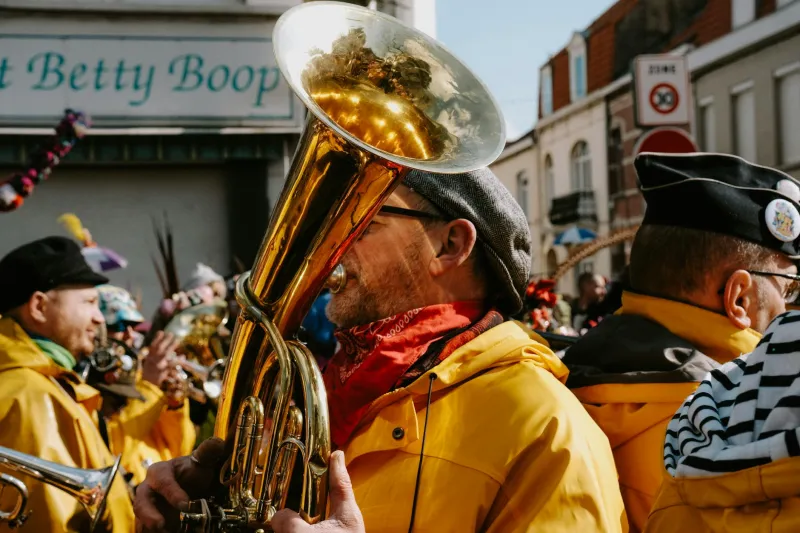
The pit wheels have stopped turning, the headframes have been demolished, but the music continues. In band rooms across former coalfield areas, young players learn melodies that echo with the memory of underground labour, technical exercises that demand the same precision once required in dangerous workplaces, harmonies that speak of solidarity and shared purpose.
"We're the keepers of something important," reflects David Thornton, adjusting his cornet's tuning slide before another evening's rehearsal. "Not just the music, but what it represents — the idea that ordinary people can create extraordinary beauty, that communities can support something higher than themselves, that the human spirit can rise above any circumstance."
The colliery bands play on, their music carrying forward the memory of men who worked in darkness but dreamed in brass and gold, who understood that the most beautiful sounds can emerge from the deepest places, who proved that culture and community can survive even when the industries that created them have turned to dust.