Crown Her From the Common: The Village May Queens Who Never Needed a Palace
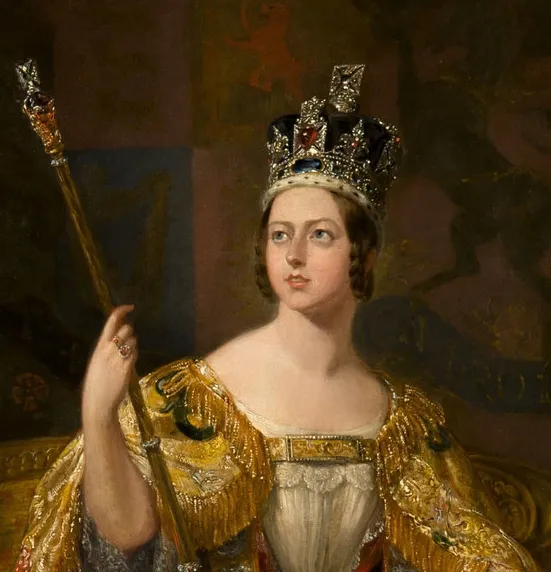
Photo: George Hayter, Public domain, via Wikimedia Commons
Somewhere in rural Shropshire, on the first Saturday of May, a ten-year-old girl is about to become a queen. She's wearing white. She's wearing flowers. She's slightly nervous and trying not to show it. The village has voted, the parents have been quietly informed, and now the whole community is gathering on the green to watch one of their own be crowned.
This is not a pageant. It's not a school play. It's not a tourist event, though visitors are welcome. It's a tradition that has been running in this village — with gaps for wars and, more recently, a pandemic — for longer than anyone can reliably document. And it is, by any reasonable measure, an act of grassroots sovereignty.
Before Westminster Had the Vote
May royalty is old. Exactly how old is the sort of question that keeps folklorists arguing pleasantly over warm ale, but the broad shape of it is clear enough. Long before formal democracy arrived in Britain, communities were exercising a kind of ritual self-governance through seasonal celebration — choosing from among themselves a figure to embody the turn of the year, to stand at the centre of the community's own ceremony, to be, for one day at least, the person everyone looks at.
The May Queen tradition as most English villages would recognise it — the procession, the crowning, the garland throne — was shaped significantly by the Victorian era, which took older folk practices and gave them a particular aesthetic. Maypoles were revived. Flower crowns were standardised. School logbooks from the 1880s and 1890s are full of May Day celebrations treated as matters of civic importance.
But the Victorian tidying-up didn't invent the impulse. It just gave it a recognisable costume.
The Families for Whom It Runs Deep
In Ickwell, Bedfordshire — home of one of England's most documented May Day celebrations — the tradition of crowning a May Queen has continued with remarkable consistency since at least the nineteenth century. Families here speak of grandmothers who were crowned, mothers who attended as maids of honour, daughters now old enough to stand for election themselves.
Jean Alderton, now in her sixties, was Ickwell's May Queen in 1973. Her daughter attended the ceremony every year of her childhood. 'It never felt like a performance to me,' Jean says. 'It felt like something that belonged to the village. The queen came from us. That was the point.'
This sense of ownership — of a community ritual generated by and for the community itself, without outside direction — comes up repeatedly in conversations with people involved in May royalty traditions across the country. The election process varies: some villages use school votes, some rely on community nominations, some have informal processes that are harder to pin down. But the principle is consistent. The queen is chosen from among the people. She is not appointed from above.
Kings, Jacks and the Occasional Green Man
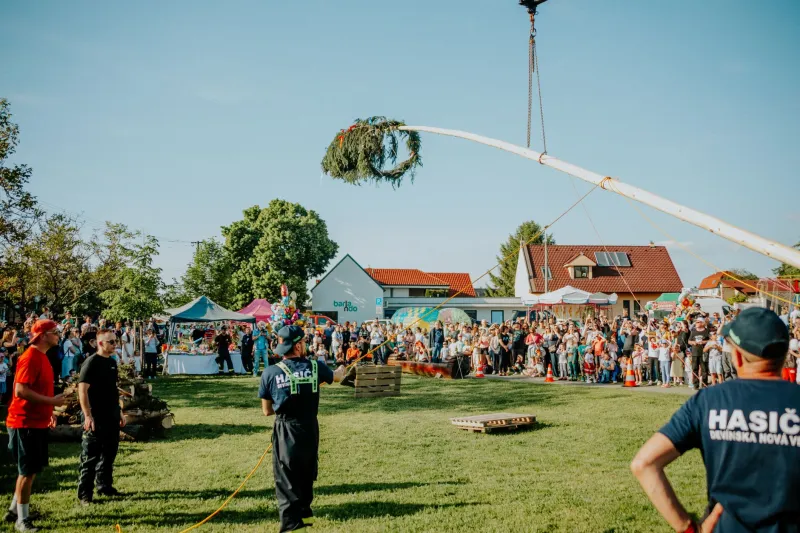
Not every May royal is a queen. In some communities, a May King stands alongside or instead of his female counterpart. In others, a Jack-in-the-Green — a figure engulfed in a living framework of foliage — leads the procession as a kind of vegetal sovereign, more spirit than person. Hastings has its famous Jack-in-the-Green festival, revived in the 1980s and now one of the most exuberant May celebrations in the country, drawing thousands to watch a great walking bush process through the old town to the seafront.
These variations matter because they suggest the tradition is not a single thing but a family of related practices — all circling the same idea of communal self-crowning, all adapting to local character and history. The Hastings Jack is boisterous and carnivalesque. The Ickwell May Queen is formal and tender. Both are entirely genuine expressions of the same underlying impulse.
Why It Persists
There's a question worth sitting with here. In a country with a functioning monarchy, a parliamentary democracy, and more elected representatives per head than most of its neighbours, why does the urge to crown a local sovereign from the village pool remain so stubbornly alive?
Dr Sarah Pennington, who researches seasonal ritual at the University of Sheffield, suggests the answer has less to do with politics than with belonging. 'The May Queen is not a rival to the Crown,' she argues. 'She's an expression of something different — the community's ability to generate its own symbolic centre. It's saying: we can do this ourselves. We can make meaning from among us.'
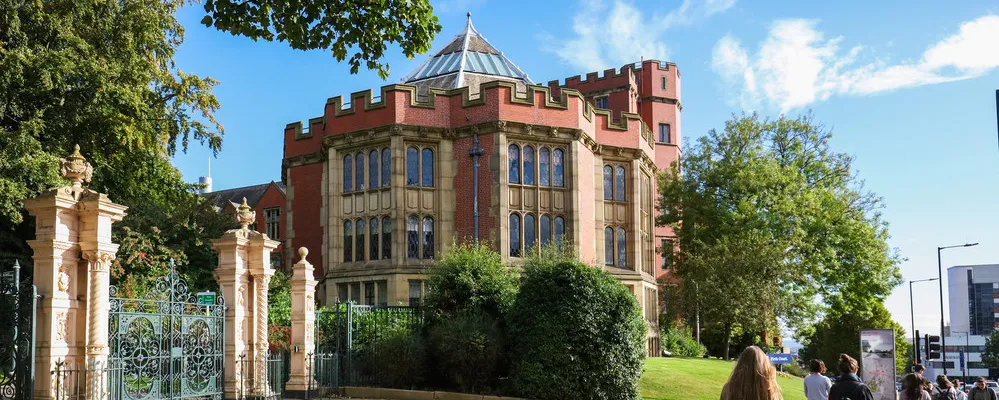 Photo: University of Sheffield, via www.timeshighereducation.com
There's also, she notes, something important about the temporariness of it. The May Queen rules for a day, or a week, or a season. Then she steps down and returns to the village as herself. The crown circulates. Power — such as it is — stays local and stays shared.
For the children themselves, the experience is rarely forgotten. Several former May Queens we spoke to described it as a formative moment — not because of the status, but because of the feeling of being held by a community, of the village turning to look at one of its own and saying: today, you represent us.
The Bunting Comes Down, the Memory Stays
By mid-afternoon in that Shropshire village, the ceremony is done. The new queen has been crowned with hawthorn and early roses. The maypole has been danced. The WI has sold out of Victoria sponge. The bunting will come down by Sunday.
But the girl in the white dress will remember it. Her family will add it to the quiet archive of village memory — a photograph on the mantelpiece, a story told at Christmas, a thread connecting her to the generations who stood on the same green before her.
That's the thing about May royalty. It doesn't need a palace, or a constitutional settlement, or a tourist board. It just needs a village willing to crown one of its own, year after year, in the full knowledge that the crown will pass on and the community will carry on.
Which, when you think about it, is a rather beautiful model of how power ought to work.