Drawing the Long War Bow: Village England's Ancient Archery Renaissance
Where Arrows Still Fly True
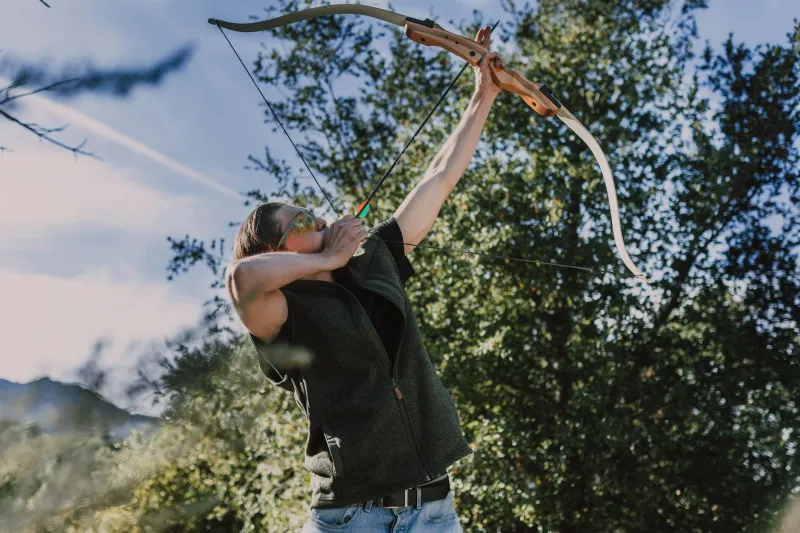
The morning mist clings to Finchingfield's ancient village green as Robin Ashworth draws his six-foot yew bow to full length. The arrow — hand-fletched with goose feathers and tipped with a bodkin point — holds steady for a heartbeat before releasing with a satisfying thrum. Sixty yards away, it finds its mark in the straw boss with the solid thunk that's echoed across English meadows for eight centuries.
"That sound never gets old," Robin grins, lowering the bow that took him three years to craft from a single yew stave. "It's the same sound the archers heard at Crécy, at Poitiers, at Agincourt."
Robin captains the Finchingfield Bowmen, one of dozens of traditional archery societies quietly flourishing across England. Unlike modern Olympic-style archery with its carbon fibre arrows and precision sights, these groups practice the raw, instinctive shooting that once made English yeomen the terror of European battlefields.
Beyond the Shire Fantasy
"People expect us to be dressed up like Robin Hood," laughs Janet Morrison, secretary of the Ancient Company of Bowmen in York. "But this isn't about playing medieval fantasy. We're maintaining an unbroken tradition that connects us to the bedrock of English culture."
The Company, founded in 1673, claims to be England's oldest continuous archery society. Their meetings in York's Merchant Adventurers' Hall feel more like parish council gatherings than historical recreation — until members begin discussing draw weights, arrow spines, and the subtle art of tillering a bow.
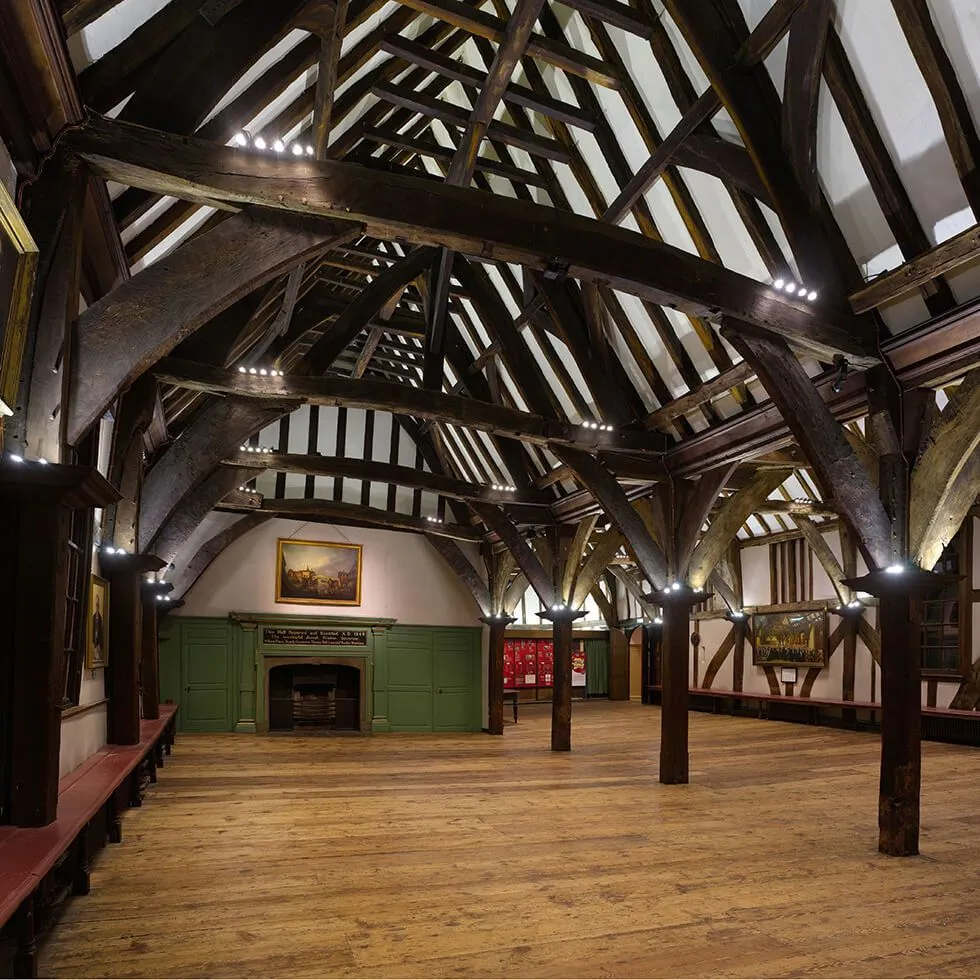 Photo: Merchant Adventurers' Hall, via i.pinimg.com
"We shoot the same way our predecessors did because it works," explains Janet, demonstrating the instinctive aiming technique that relies on muscle memory rather than mechanical aids. "No sights, no stabilisers, no modern materials. Just wood, sinew, and centuries of accumulated knowledge."
The Company's records trace an unbroken lineage of English bowmanship through civil wars, industrial revolution, and two world conflicts. During the Blitz, members practiced in church halls when their outdoor ranges became unusable. "The tradition never stopped," Janet emphasises. "It just adapted."
The Bowyer's Art
In a workshop tucked behind his Dorset cottage, master bowyer Tom Hartley shapes English yew with tools that haven't changed since the Tudor period. The sweet scent of fresh wood shavings fills the air as he carefully reduces a six-foot stave to its final dimensions.
"Every piece of yew tells you what it wants to become," Tom explains, running his hands along the pale sapwood that will form the bow's back. "You work with the grain, with the natural stresses. Force it and you'll have kindling, not a weapon."
Tom learned his craft from Jack Churchill — not the famous commando, but a Somerset bowyer who maintained traditional techniques through the lean decades when interest in longbows nearly died out. "Jack taught me that we're not just making bows," Tom reflects. "We're preserving knowledge that took generations to develop."
The process demands patience that modern manufacturing has forgotten. Tom seasons his yew staves for minimum five years, sometimes longer. The wood comes from English churchyards — ancient trees whose dense, slow growth produces the perfect combination of compression and tension strength.
"A proper English longbow should outlive its maker," Tom notes, testing the tiller of a bow destined for a customer in Somerset. "Medieval archers passed their bows to their sons. We're making heirlooms, not sporting goods."
Learning the Ancient Way
The Sherwood Forest Traditional Archery Club meets monthly in a Nottinghamshire wood that's echoed with bowstrings for over a millennium. Newcomers often arrive expecting quick results — modern archery can teach basic accuracy within hours. Traditional longbow shooting demands years of dedicated practice.
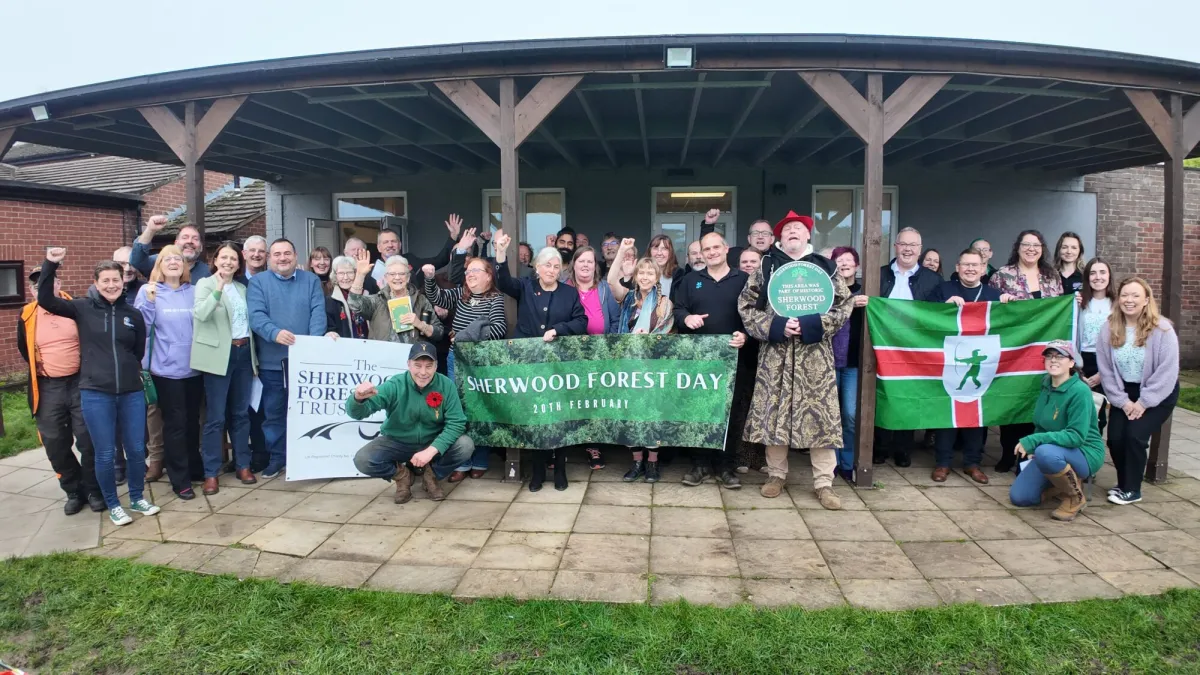 Photo: Sherwood Forest, via sherwoodforest.org.uk
"We tell beginners to forget everything they think they know about archery," explains club instructor Dave Palmer, watching a novice struggle with a 45-pound bow. "Olympic archery is about precision engineering. This is about becoming one with the weapon."
The learning curve humbles everyone. New members spend months mastering the basic draw — pulling the string not with arm strength but with back muscles, the way medieval archers developed their distinctive skeletal deformities. "You can spot a longbow archer's skeleton in archaeological sites," Dave notes. "The bone changes are that distinctive."
Club members range from teenagers fascinated by medieval history to pensioners seeking physical challenge. What unites them is respect for the bow's demands. "It's not a hobby you can pick up casually," admits Sarah Chen, a software developer who's been shooting traditional bows for five years. "It becomes part of who you are."
Guardians of the Greenwood
The revival faces challenges that mirror broader cultural tensions. Some traditional clubs resist modernisation, insisting on period-correct equipment and techniques. Others welcome newcomers regardless of their gear, focusing on participation over purity.
"We have heated debates about carbon arrows versus wood," admits Margaret Thornton, who organises the annual Warwick Traditional Shoot. "But I'd rather have someone shooting plastic fletching than not shooting at all."
The event draws hundreds of traditional archers from across Britain, competing in categories that range from strict historical recreation to 'primitive' divisions that welcome any non-mechanical bow. "It's about keeping the tradition alive, not creating museum pieces," Margaret insists.
Young archers particularly challenge purist attitudes. "Kids don't care if their arrows are perfectly matched ash shafts," observes junior coach Mike Stevens. "They want to learn to shoot like their heroes from films and books. Once they're hooked, they often become the biggest traditionalists of all."
The Thread Unbroken
As afternoon shadows lengthen across Finchingfield's green, Robin Ashworth packs his handmade arrows into a leather quiver his grandfather crafted. The club's weekly practice is ending, but the tradition continues — passed from hand to hand, bow to bow, generation to generation.
"People ask why we bother with old-fashioned archery when modern equipment is so much better," Robin muses, carefully unstringing his yew bow. "But they're missing the point. This isn't about being better or worse. It's about maintaining connection to who we were, who we are."
The longbow shaped English identity for centuries — from the Welsh campaigns through the Hundred Years' War to the civil conflicts that forged modern Britain. In village halls and ancient woods, contemporary archers ensure that connection never breaks.
"Every time someone learns to draw a proper English longbow, they're touching something fundamental about this country," Robin concludes. "The technique, the patience, the respect for craftsmanship — these things matter. They're part of what makes us who we are."
As modern Britain grapples with questions of identity and tradition, these quiet guardians of the greenwood offer one answer: some heritage is too precious to lose, too important to abandon. In their patient practice and careful teaching, they ensure the ancient art of the English longbow continues to find its mark.