New Notes From Old Ground: The Composers Giving Brass Bands Their Own Voice
There's a piece of music called Sough — a Yorkshire dialect word for the soft moan the wind makes through a dry stone wall — that was first performed at a contest in Harrogate three years ago by a band from the Calder Valley. It opens with a solo euphonium line that sounds, uncannily, like someone trying to describe a landscape they love in a language that only half fits. The harmonies that build beneath it are dense and unsettled, never quite resolving the way you expect them to. And then, about two-thirds of the way through, something shifts — a cornet melody that sounds almost like a folk tune, except it's entirely original — and the whole piece opens out into something that feels genuinely earned.
The composer, a former pit deputy's son from Hebden Bridge called David Ackroyd, wrote it in three weeks after his father died. He has been playing euphonium with the same band since he was fourteen.
Inside the Ensemble
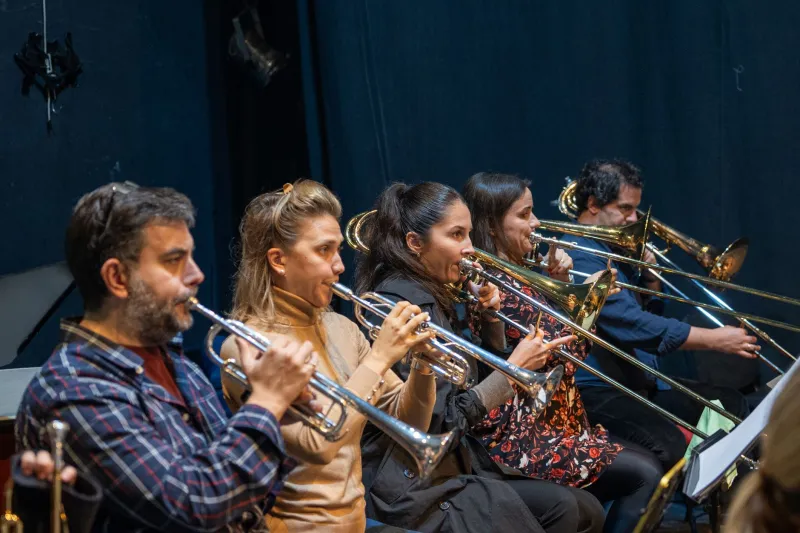
This is the thing about brass band composition that tends to get overlooked in the wider cultural conversation: a significant proportion of it is done by people who are also playing in the bands they write for. This is not, in most classical composition contexts, how things work. But brass bands have always operated differently — as genuinely communal institutions where the boundaries between performer, administrator, historian and creator are porous.
"I've never written music for an abstract ensemble," Ackroyd says. "I know the people who are going to play this. I know that our principal cornet has a particular way of approaching a sustained note, that our bass player grew up in the same streets I did. That's in the music. It can't not be."
This intimacy between composer and community is, arguably, what distinguishes the best new brass band writing from more generically 'contemporary' concert music. It is music made from the inside out.
The Landscape as Score
In South Wales, composer and flugelhorn player Carys Bevan has been working on a cycle of pieces she describes as "sonic maps" of the Rhondda Valley — music that attempts to render in brass the specific character of a post-industrial landscape that is neither purely pastoral nor purely urban but something more complicated and interesting than either.
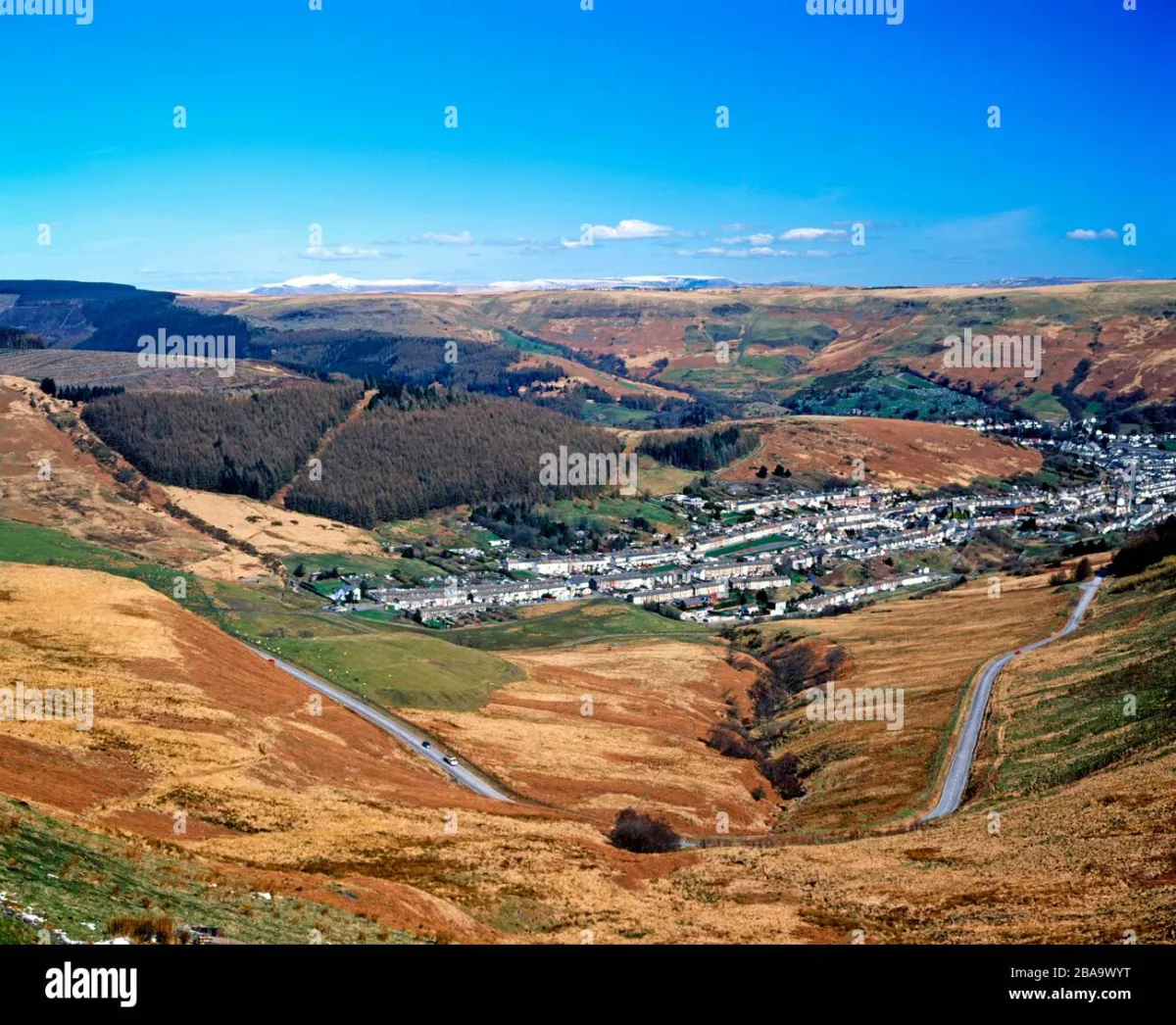 Photo: Rhondda Valley, via c8.alamy.com
"People talk about the valleys as if they're defined entirely by what's been lost," she says. "The pits, the communities, the language. And yes, all of that matters enormously. But there's also this extraordinary physical landscape — the light in the mornings, the way sound travels between the hills, the particular quality of silence you get at certain times of year. I wanted to write music that was about the place as it is now, not just as an elegy for what it was."
Bevan's Valley Measures — a set of five pieces premiered last year by the Treorchy Male Voice Choir's associated brass ensemble — uses Welsh folk idioms not as quotation but as structural grammar. The rhythmic patterns of penillion singing inform the metre of one movement. The call-and-response patterns of chapel hymn-singing shape another. The result is music that sounds rooted without being retrospective.
Against the Museum Piece
There is a persistent tension in brass band culture between the preservationist impulse — the understandable desire to honour and maintain the repertoire that defines the tradition — and the creative impulse to make new things that carry that tradition forward. At its worst, this tension produces a kind of cultural paralysis, where innovation is treated with suspicion and the past becomes a cage rather than a foundation.
But the composers working in this space are, almost uniformly, uninterested in that argument. They don't see themselves as revolutionaries. They see themselves as participants in a living tradition that has always, in fact, changed.
"The pieces that define brass band repertoire — Elgar Howarth, Gilbert Vinter, even the test pieces from the early twentieth century — those were all new music once," says Ackroyd. "Someone had to write them. Someone had to risk them. The tradition isn't what it was fifty years ago. It's what it is now, and what it becomes."
Northern Voices, Pennine Weather
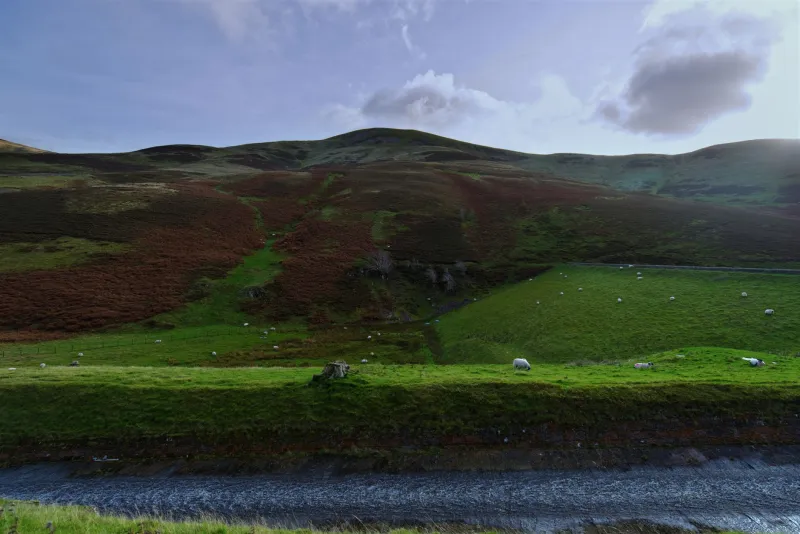
In the Yorkshire Dales, a younger composer called Priya Sutton — who plays second trombone with the Skipton Town Band and teaches music at a Harrogate secondary school — has been developing a body of work that draws explicitly on the dialect poetry of the region. Her piece Clatter-Bone takes its title from a local word for a chatterbox, and its central theme is built from the rhythmic patterns of a William Lister dialect poem she encountered in her school's archive.
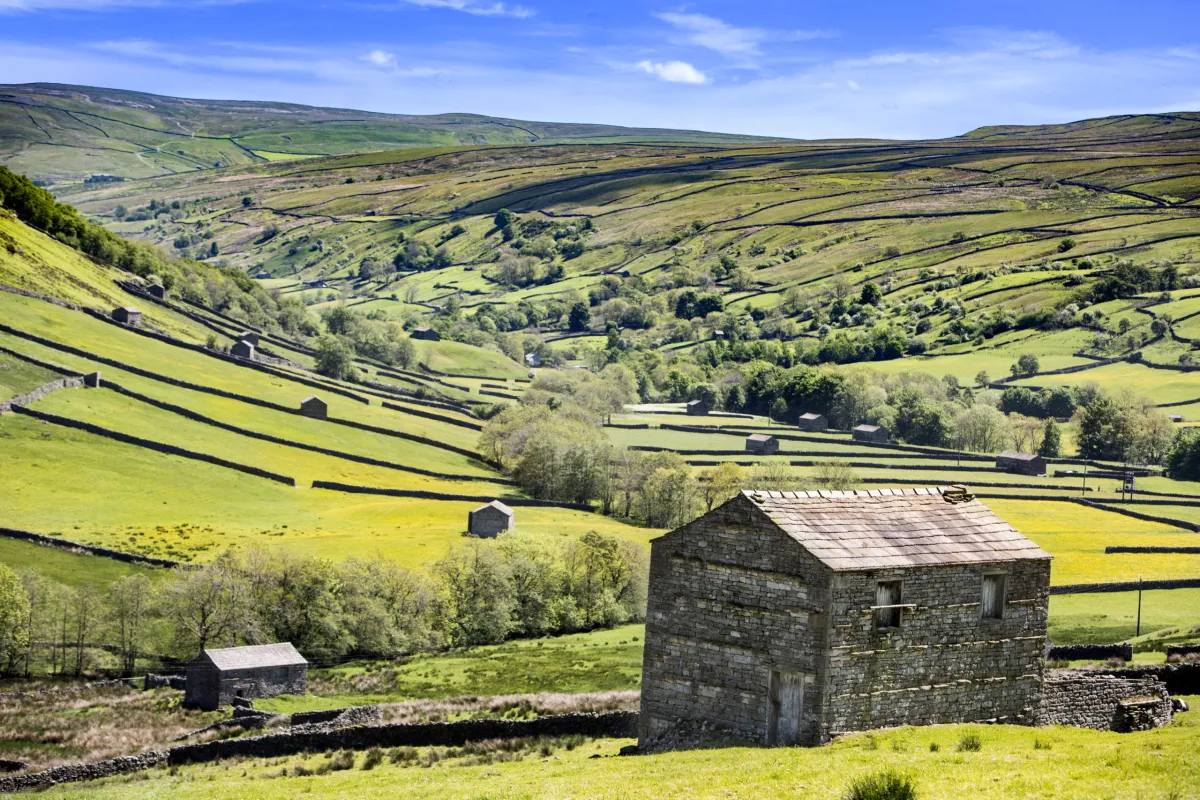 Photo: Yorkshire Dales, via i0.wp.com
"I'm not from Yorkshire originally," she says. "My family's from Leicester. But I've lived here for twelve years, and the place has got into me. I wanted to write music that was genuinely from here — not just music that happens to be performed here."
This question of belonging — of what it means to be of a place rather than merely in it — runs through much of the new brass band composition being made right now. It is music that takes seriously the idea that landscape, dialect and community history are not decorative themes but structural forces, as fundamental to the music as key signature or tempo.
What the Silence Holds
David Ackroyd's Sough ends quietly — that unsettled opening euphonium line returning, stripped of its harmonies, alone again but somehow changed by everything that has happened around it. At the Harrogate performance, there was a moment of silence before the applause that Ackroyd still talks about.
"That silence meant something," he says. "It wasn't just an audience catching up. It was people sitting with something they recognised. I don't know if I'll ever write anything that lands like that again."
He probably will. Because the ground he's writing from — the dry stone walls, the valley light, the weight of industrial memory, the persistence of community — isn't going anywhere. And neither, it turns out, is the music it makes possible.