Where Royal Charters Meet Muddy Boots: The Ancient Markets Still Beating at Britain's Heart
The Auctioneer's Ancient Chant
Stand in Melton Mowbray's cattle market on a Tuesday morning, and you'll hear something that predates the English language itself. The auctioneer's rapid-fire patter — that hypnotic cascade of numbers, encouragement, and local wit — carries the DNA of medieval market cries, when Norman French mixed with Anglo-Saxon in the muddy squares of charter towns across Britain.
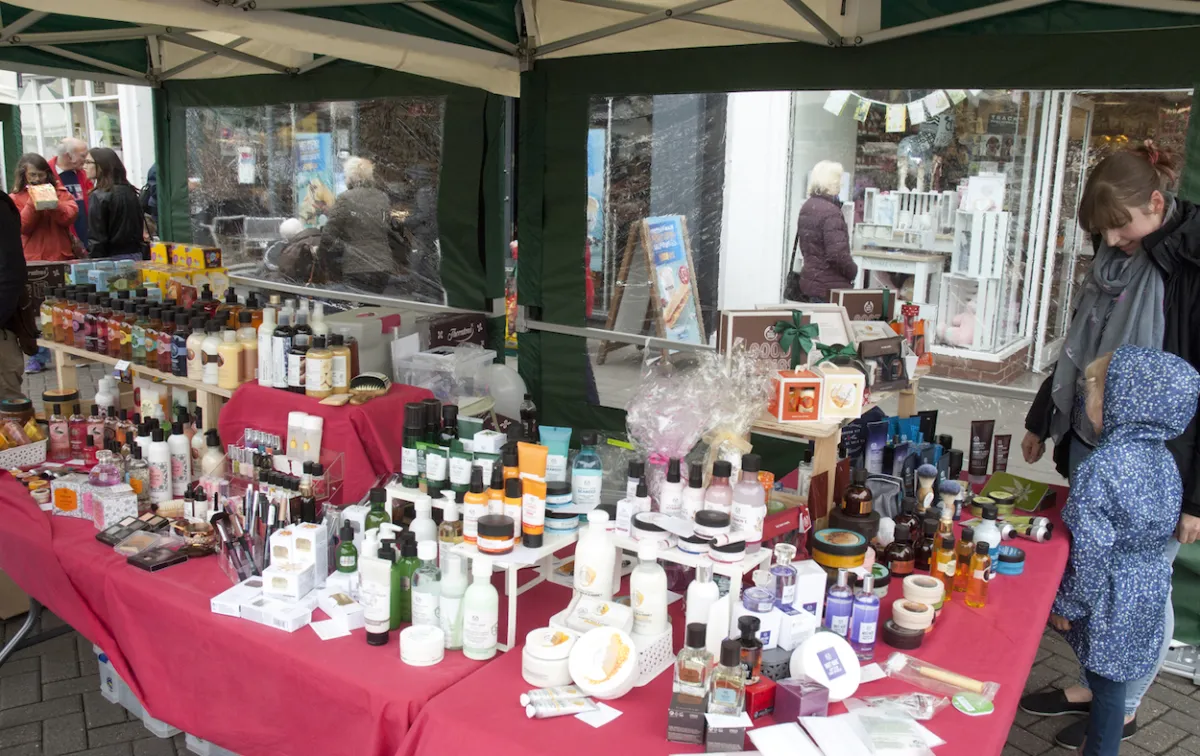 Photo: Melton Mowbray, via www.meltonmowbraytownestate.com
Jim Harrington has been calling livestock sales here for thirty-seven years, his voice carrying across the same cobbled yard where drovers have gathered since 1324. "You're not just selling cattle," he explains, adjusting his flat cap between lots. "You're keeping alive a conversation that's been going on for seven hundred years."
The rhythm is everything — that distinctive pattern of rising and falling cadences that can coax an extra tenner from a hesitant farmer or signal to the old-timers when a beast is worth the bid. It's a musical tradition as specific and complex as any folk song, passed down through generations of market families who've learned to read the subtle signs: the way a farmer shifts his weight, the almost imperceptible nod that seals a deal, the pregnant pause before the hammer falls.
Handshakes and Heritage
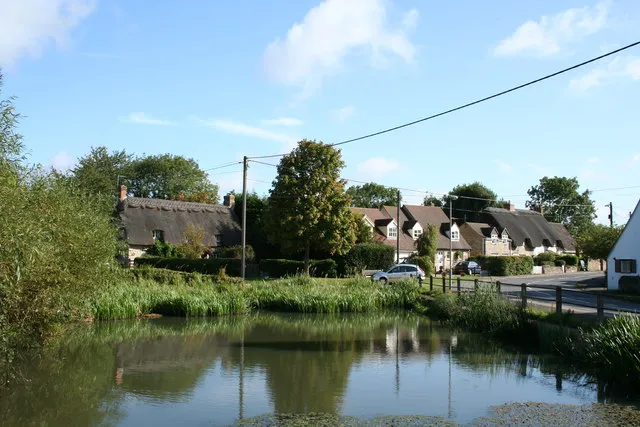
What strikes you first about these ancient markets isn't the livestock or the commerce — it's the rituals. In Kirkby Stephen's charter fair, dating from 1353, deals worth thousands are still sealed with a handshake and a spit on the palm. Mobile phones may have replaced the old brass weighing scales, but the fundamental choreography remains unchanged: the careful examination of animals, the whispered consultations between farming families, the complex dance of negotiation that plays out in glances and gestures.
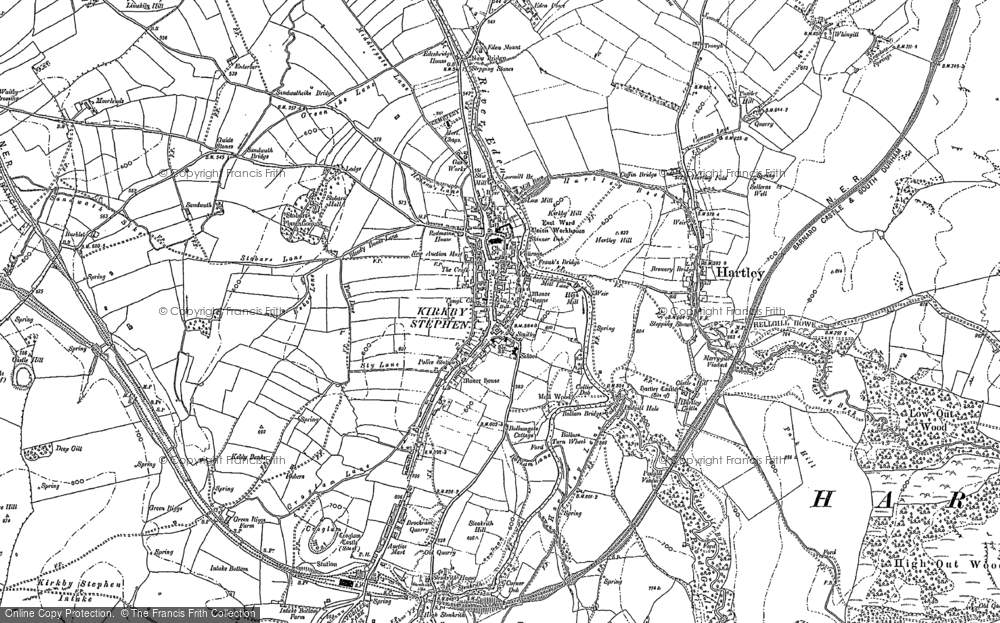 Photo: Kirkby Stephen, via maps.francisfrith.com
Sarah Metcalfe, whose family has attended Kirkby Stephen's fair for five generations, watches her teenage son learn the unspoken language of livestock trading. "He's picking up things you can't teach in agricultural college," she says, as young Tom evaluates a pen of Swaledale sheep with the practiced eye of someone born to the trade. "How to read an animal, how to read a seller, how to know when to walk away."
These aren't museum pieces or tourist attractions — they're living, breathing communities of practice where knowledge flows as freely as the pints in the adjoining pub. The same families return year after year, their presence weaving a human continuity that spans centuries. Children who once hid behind their parents' legs grow into dealers themselves, inheriting not just farming knowledge but an entire cultural ecosystem.
When Commerce Becomes Ceremony
But something curious happens when you spend time at these markets: the commercial transactions begin to feel almost secondary to the social ones. In Stow-on-the-Wold, where the charter dates from 1107, the twice-yearly horse fair has evolved into something approaching secular pilgrimage. Traveller families arrive from across Europe, their painted wagons and chrome-decorated lorries forming temporary villages in the Cotswold streets.
The actual horse trading — the ostensible reason for gathering — occupies perhaps two hours of a three-day event. The rest is pure social architecture: the renewal of relationships, the sharing of news, the complex negotiations of marriage and family alliance that happen away from the main square. Children learn to handle horses while their grandparents swap stories that reach back generations.
"People think we come for the horses," says Tommy Walsh, whose family has attended Stow fair for over a century. "But really, we come for each other. The horses are just the excuse."
The Survival of Something Essential
In an age of online trading and digital marketplaces, these ancient gatherings persist because they offer something that screens cannot: the irreplaceable value of physical presence, shared risk, and community knowledge. The cattle dealer who can spot lameness at fifty yards, the horse trader who knows three generations of bloodlines, the sheep farmer who can predict weather patterns from the behaviour of his flock — this wisdom doesn't transfer easily to spreadsheets.
Moreover, these markets serve as informal universities for rural Britain, places where young farmers learn not just technical skills but cultural ones. How to negotiate fairly, how to maintain reputation across decades, how to be part of a community that extends far beyond individual transactions.
As Britain's rural communities face unprecedented pressures — from climate change to economic uncertainty to the ongoing effects of Brexit — these ancient markets offer something increasingly precious: proof that some human institutions are strong enough to survive almost anything. They've weathered plague, war, industrial revolution, and technological transformation, adapting without losing their essential character.
The Future of Ancient Rhythms
Today's market traders face challenges their ancestors couldn't have imagined: animal welfare regulations, electronic tagging systems, EU paperwork that would baffle a medieval scribe. Yet somehow the essential rhythm persists. The auctioneer still calls his lots, the handshake still seals the deal, and families still gather in muddy yards to continue conversations that began when Britain was young.
Perhaps that's the real miracle of these charter markets — not that they've survived, but that they've remained fundamentally themselves while everything around them has changed beyond recognition. In a world increasingly dominated by algorithms and automation, they preserve something essentially human: the ancient pleasure of gathering, trading, arguing, and belonging to something larger than ourselves.
Stand in any of these markets on a busy day, and you'll understand why they endure. It's not nostalgia that keeps them alive — it's necessity. The necessity of community, of shared knowledge, of traditions that bind us not just to the past but to each other.