Spinning Stories: The Independent Record Dealers Preserving Britain's Regional Soundscape
The Last Guardians of Regional Sound
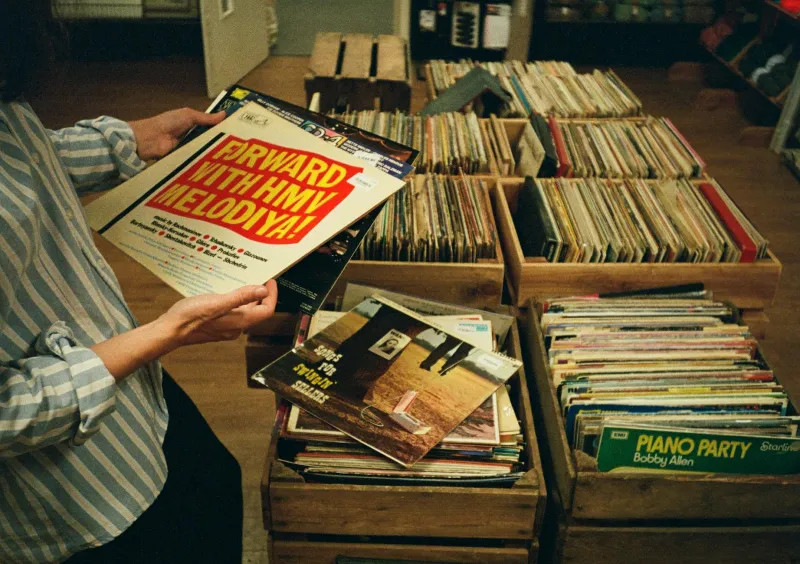
In a narrow shop wedged between a charity store and a betting office in Whitby's old town, Dave Matthews runs his fingers across a row of vinyl sleeves with the reverence of a librarian handling medieval manuscripts. His shop, Spinning Jenny Records, might look like any other second-hand music store, but Matthews sees himself as something closer to a cultural archivist.
"This isn't just about selling records," he explains, pulling out a 1970s pressing of the Grimethorpe Colliery Band. "When someone brings me a box of their dad's collection, half the time there's stuff in there that tells the story of where we come from. Local bands that never made it past the village hall, folk singers who recorded one EP in someone's front room, brass bands that existed for fifty years and then just... stopped."
Matthews is part of a quietly determined network of independent record dealers across Britain who have become accidental custodians of regional musical heritage. While streaming platforms homogenise our listening habits and major retailers focus on chart-toppers, these small-town shops are preserving the sonic DNA of their communities.
Beyond the Algorithm
In Wrexham, Sarah Chen's Grooves & Grains occupies the ground floor of a Victorian terraced house, its bins stuffed with Welsh-language folk recordings and obscure releases from local indie bands of the 1980s. Chen, who opened the shop in 2019 after a career in digital marketing, found herself drawn to the tactile, serendipitous nature of vinyl collecting.
"Spotify's algorithm might suggest something based on what you've already heard," she says, "but when someone comes in here and starts flicking through the Welsh folk section, they might discover Meic Stevens or find a recording of their grandfather's male voice choir they never knew existed."
Chen's most prized possession is a collection of recordings from the Eisteddfod circuit of the 1960s and 70s – competition performances by choirs and soloists that were pressed in tiny runs and sold at the events themselves. "These are voices from our valleys that you'll never find on any streaming service," she explains. "When the original owners pass away and their families clear out the house, these records often end up in charity shops or skips. We're trying to intercept them before they disappear forever."
The Archaeology of Sound
The work of these dealers goes far beyond simple commerce. In Hebden Bridge, West Yorkshire, Tim Bradshaw's Pennine Vinyl has become an unofficial archive of the region's musical history. His back room contains hundreds of recordings by local folk clubs, pub singers, and amateur musicians who documented their communities' songs in the decades before digital recording made such preservation commonplace.
 Photo: Hebden Bridge, via www.escapadarural.com
"I had a woman come in last month looking for anything by her late husband's ceilidh band," Bradshaw recalls. "They'd pressed 200 copies of an LP in 1982 and sold them at local dances. I happened to have one copy that someone had traded in years ago. She broke down crying when she heard his voice again."
Bradshaw estimates that 70% of his stock consists of records that have never been digitised and likely never will be. "The major labels aren't interested in reissuing a recording of the Todmorden Male Voice Choir from 1975," he points out. "But for the families of those singers, for anyone who remembers those performances, these records are priceless cultural documents."
New Ears for Old Sounds
Surprisingly, many of these regional rarities are finding new audiences among younger listeners drawn to vinyl's physicality and the thrill of musical discovery. At Wax Lyrical in Canterbury, owner Jenny Holbrook has noticed an increasing number of university students seeking out obscure British folk recordings.
"There's something about holding a record, reading the liner notes, learning about the musicians and where they came from," she observes. "These kids are discovering that there's a whole landscape of British music that exists outside the mainstream narrative. They're finding beauty in recordings that might seem rough or amateur by today's standards."
Holbrook recently sold a 1960s recording of Kentish hop-picking songs to a music student researching agricultural work songs. "She told me later that listening to those voices – actual hop-pickers singing while they worked – completely changed her understanding of how music functions in working communities."
The Fragile Ecosystem
Yet this network of musical preservation exists in a precarious state. Rising rents and declining footfall threaten many independent record shops, while the original owners of regional music collections are passing away, often leaving families with no understanding of what they possess.
"I get calls every week from people clearing out houses," says Matthews in Whitby. "Sometimes they just want to know if there's anything valuable they can sell. But often, once I explain what they have – recordings of their grandfather's brass band, or their aunt singing in the church choir – they realise they're holding family history."
Preserving the Soundtrack of Place
As Britain's cultural landscape continues to shift and homogenise, these independent record dealers serve as vital links to our musical past. They understand that regional music isn't just entertainment – it's the soundtrack of place, carrying within its grooves the voices, stories, and cultural memories of communities.
"Every record tells a story about where it came from," reflects Chen in Wrexham. "When we lose these local sounds, we lose part of our identity. My job isn't really about selling music – it's about making sure these voices don't get forgotten."
In an age of digital plenty, these modest shops remind us that some forms of cultural preservation require physical spaces, human curation, and the simple act of caring enough to keep the music playing.