Wickets in the Wheat: How Sussex Villages Are Batting to Save England's Forgotten Mother of Cricket
The Game That Cricket Forgot
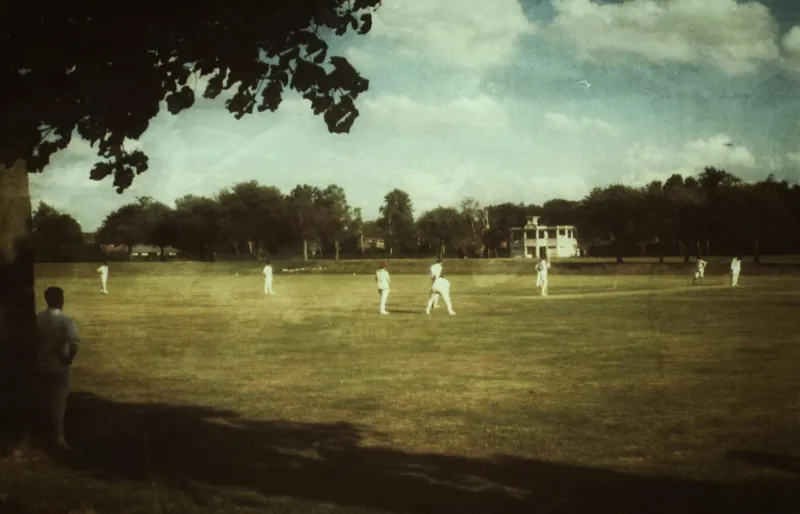
On a drizzly Tuesday evening in Glynde, East Sussex, two dozen women gather around a wooden post driven into the village green. They're clutching flat-bladed bats that look like oversized table tennis paddles, eyeing a leather ball with the kind of focused intensity usually reserved for county championship finals. This is stoolball – cricket's forgotten ancestor – and these players represent something far more significant than a weekly sports fixture.
They are the guardians of a game that predates the Oval by centuries, that taught England how to swing a bat, and that now teeters on the edge of sporting history.
"People think we're playing some quaint village curiosity," says Margaret Cornish, captain of Glynde Ladies and a stoolball devotee for forty-three years. "But this game was being played when Shakespeare was writing his sonnets. It's woven into the fabric of southern England."
From Milkmaids to County Championships
Stoolball's origins stretch back to at least the 15th century, emerging from the practical rhythms of rural life. Farm workers, predominantly women, would use their milking stools as makeshift wickets during harvest celebrations and village fairs. The game's rules were beautifully simple: defend your stool with a bat, score runs by striking the ball past fielders, and celebrate with whoever happened to be watching from the ale house.
Unlike cricket, which developed rigid class distinctions and elaborate etiquette, stoolball remained gloriously democratic. Serving girls played alongside farmers' daughters, and the best players earned respect regardless of social standing. The Sussex Archaeological Society holds records of stoolball matches drawing crowds of over a thousand spectators in the 1700s, with betting as fierce as any horse race.
"Stoolball gave working women a public stage centuries before they had the vote," explains Dr. Sarah Wickham, a sports historian at Brighton University who has spent five years researching the game's social impact. "These weren't polite garden parties – they were competitive, physical contests where women could demonstrate skill, strategy and leadership."
 Photo: Brighton University, via files.nftbirdies.com
The Slow Fade
By the Victorian era, stoolball was losing ground to its more organised cousin. Cricket's codified laws, international reach and masculine mystique gradually overshadowed the older game. Two world wars dealt further blows, as village greens became allotments and young women found new opportunities beyond rural sports.
The numbers tell a stark story. In 1960, Sussex boasted over 200 active stoolball teams. Today, fewer than 80 remain, scattered across an increasingly urbanised landscape where housing developments have swallowed playing fields and traditional village life has fragmented.
"We're not just losing a sport," says John Funnell, secretary of the Sussex County Stoolball Association. "We're losing a direct connection to how our ancestors lived, played and found joy in their communities."
The Stubborn Revival
Yet something remarkable is happening in the villages and market towns of southern England. Against all demographic trends, stoolball is fighting back. New teams are forming in Horsham, Lewes and even London suburbs. School programmes are introducing children to the game's unique pleasures. Heritage organisations are recognising stoolball as living culture worth preserving.
At Ditchling Common, the local primary school has made stoolball compulsory for all pupils. Headteacher Anna Blackwood discovered that children who struggled with cricket's complex rules and intimidating pace thrived with stoolball's more accessible format.
"The posts are bigger targets, the ball travels slower, and everyone gets meaningful time with the bat," she explains, watching eight-year-olds charge around the playground with infectious enthusiasm. "But more importantly, they're learning about their local heritage. They're playing the same game their great-great-grandmothers played."
More Than Just a Game
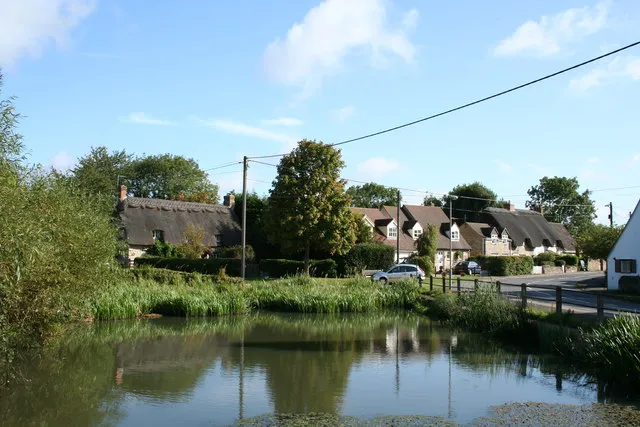
For the women of Glynde Ladies, stoolball represents something profound about belonging and continuity. Their Tuesday evening sessions draw players from across the South Downs – teachers, farmers, shop workers and retirees united by their love for this ancient game.
 Photo: South Downs, via mir-s3-cdn-cf.behance.net
"When I'm standing at that post, bat in hand, I feel connected to every woman who's ever played stoolball on this green," says team member Janet Mills, whose grandmother captained the same club in the 1930s. "It's not nostalgia – it's about keeping something beautiful alive."
The revival isn't just about preserving the past. Modern stoolball has adapted to contemporary life while maintaining its essential character. Mixed teams are increasingly common, fixtures accommodate working parents, and social media helps scattered clubs share fixtures and celebrate achievements.
Fighting for the Future
The challenge now is ensuring stoolball survives another generation. Club organisers speak of aging membership, limited funding and the constant struggle to secure playing fields. Yet their determination remains unshakeable.
The Sussex County Stoolball Association recently launched a heritage lottery bid to document the game's history and develop coaching resources. Village teams are partnering with local schools, offering equipment and expertise to any teacher willing to give stoolball a chance.
"We're not trying to compete with football or cricket," says Margaret Cornish, adjusting her batting gloves as another evening session begins. "We're offering something different – a game with deep roots, genuine community spirit, and the simple pleasure of striking a ball cleanly on a village green."
As dusk settles over Glynde, the sound of leather on willow echoes across the South Downs, carrying with it the voices of centuries past and the stubborn hope of a game that refuses to be forgotten. In a world of constant change, stoolball offers something increasingly rare: the chance to play exactly as your ancestors played, on the same ground, under the same sky, with the same fierce joy that has driven English village sport for over five hundred years.