Underground Orchestras: The Musicians Awakening Britain's Forgotten Stone Cathedrals
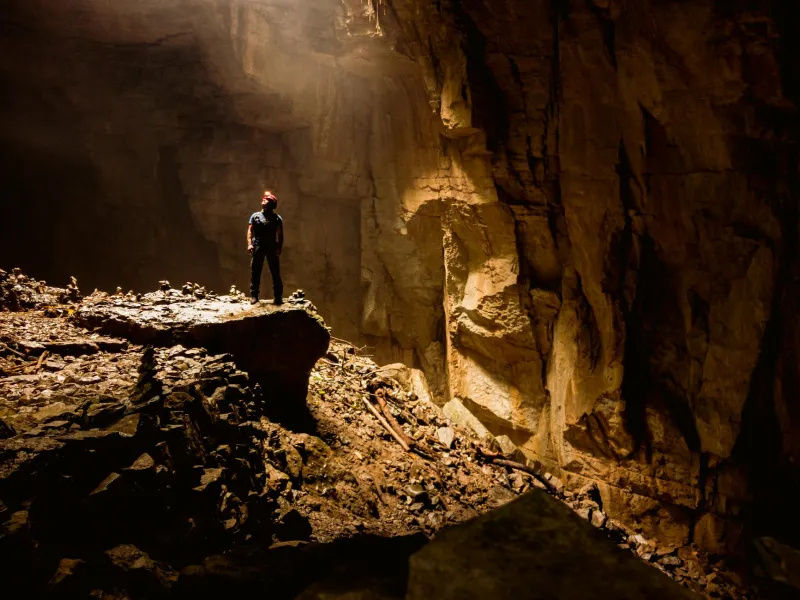
The Cathedral Beneath the Field
Twenty feet below a Derbyshire pasture, violinist Sarah Chen draws her bow across the strings and watches sound transform into something otherworldly. The limestone chamber of Speedwell Cavern catches her melody and returns it transformed — richer, deeper, wrapped in harmonics that no concert hall could produce. What began as a simple folk tune emerges as something approaching the sacred.
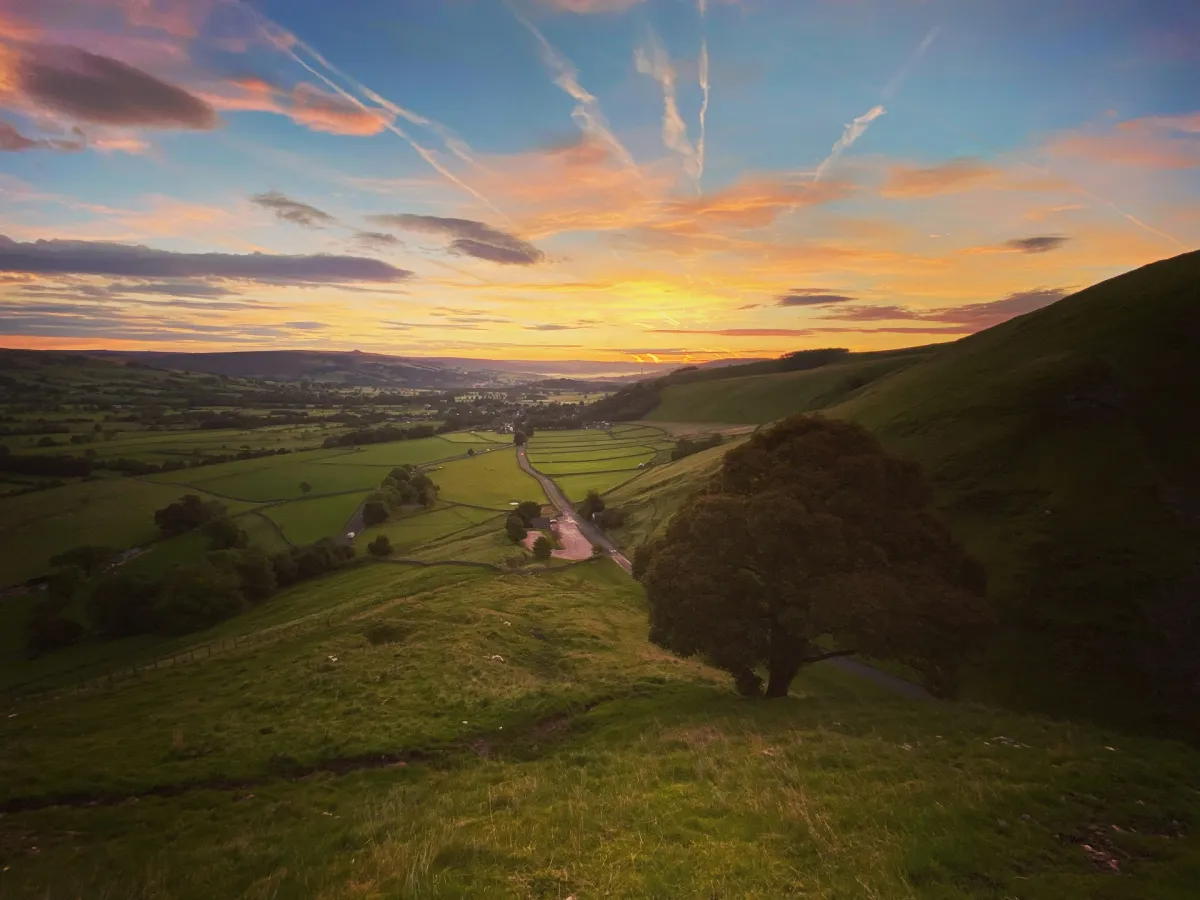 Photo: Speedwell Cavern, via speedwellcavern.co.uk
"The cave doesn't just amplify the music," Chen explains, her voice echoing softly in the natural cathedral. "It collaborates with it. Every chamber has its own voice, its own personality. You learn to play with the stone, not against it."
Chen is part of a quiet revolution happening beneath Britain's surface, as musicians, sound artists, and acoustic researchers rediscover the extraordinary sonic properties of our underground landscape. From the chalk caves of Kent to the limestone systems of Yorkshire, a network of natural amphitheatres that once hosted our ancestors' most important gatherings is being awakened by a new generation of performers.
Ancient Echoes, Modern Discoveries
Archaeological evidence suggests our Neolithic ancestors understood something about these spaces that we're only now rediscovering. Flint tools and bone fragments found deep within cave systems indicate they weren't just shelters — they were gathering places, perhaps temples. Recent studies by acoustic archaeologists have revealed that many prehistoric cave paintings are located precisely where the acoustics are most dramatic, suggesting our ancestors deliberately chose these spots for their sonic properties.
Dr. Marcus Webb, who leads the Cave Acoustics Research Project at Sheffield University, has spent the last five years mapping the sonic characteristics of Britain's underground spaces. "We're finding that caves which show evidence of prehistoric human activity almost invariably have extraordinary acoustic properties," he explains. "Chambers that create perfect natural reverb, passages that carry whispers for hundreds of metres, spaces where a single voice can sound like a choir."
Webb's team works with musicians to understand how these spaces might have been used. In Wookey Hole, they've discovered chambers where a single drum can create rhythmic patterns that seem to emerge from the rock itself. In the caves beneath Cheddar Gorge, certain frequencies cause the limestone to resonate in ways that can be felt as much as heard.
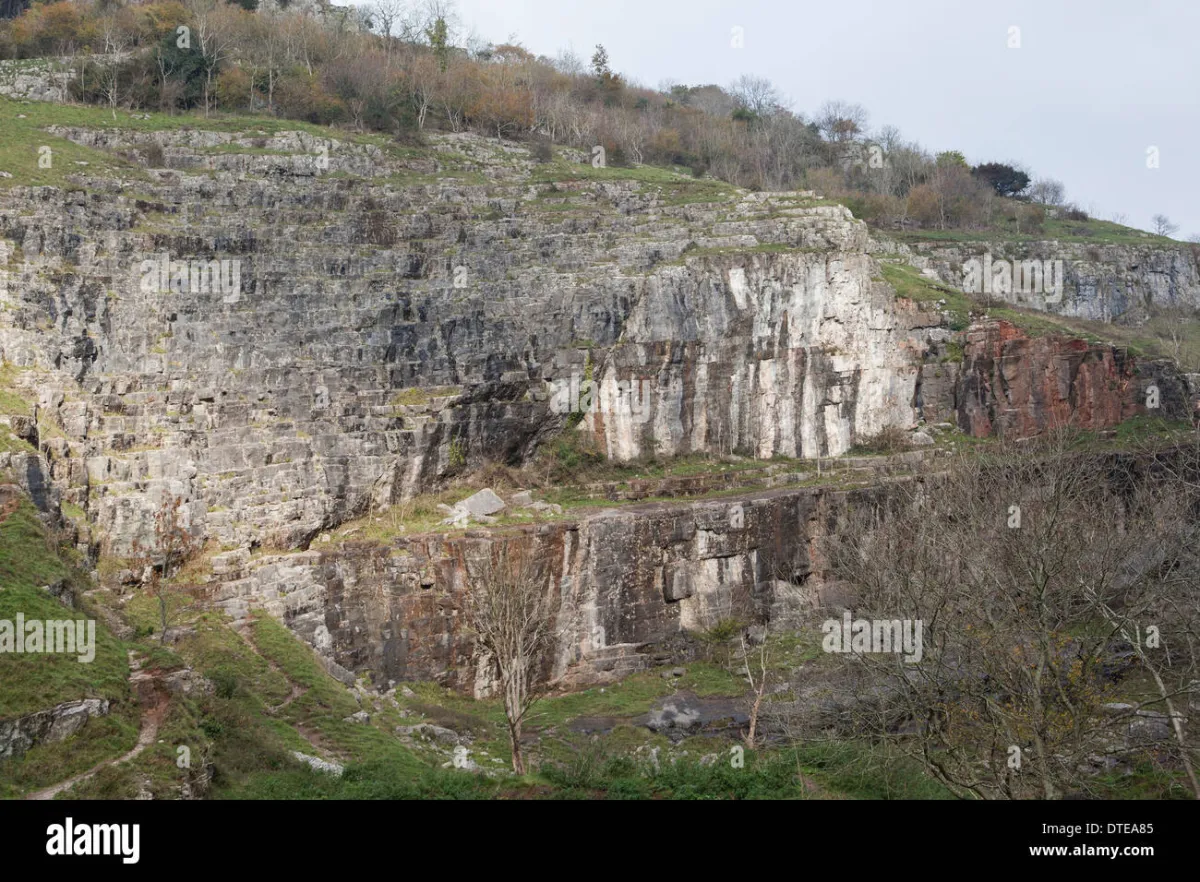 Photo: Cheddar Gorge, via c8.alamy.com
The Subterranean Session
On a damp October evening, I descend into the Ingleborough Cave system with a small group of musicians who've been meeting here monthly for two years. What started as an experiment has become something approaching a movement — informal sessions where folk musicians, experimental artists, and curious amateurs gather to explore what happens when traditional music meets geological time.
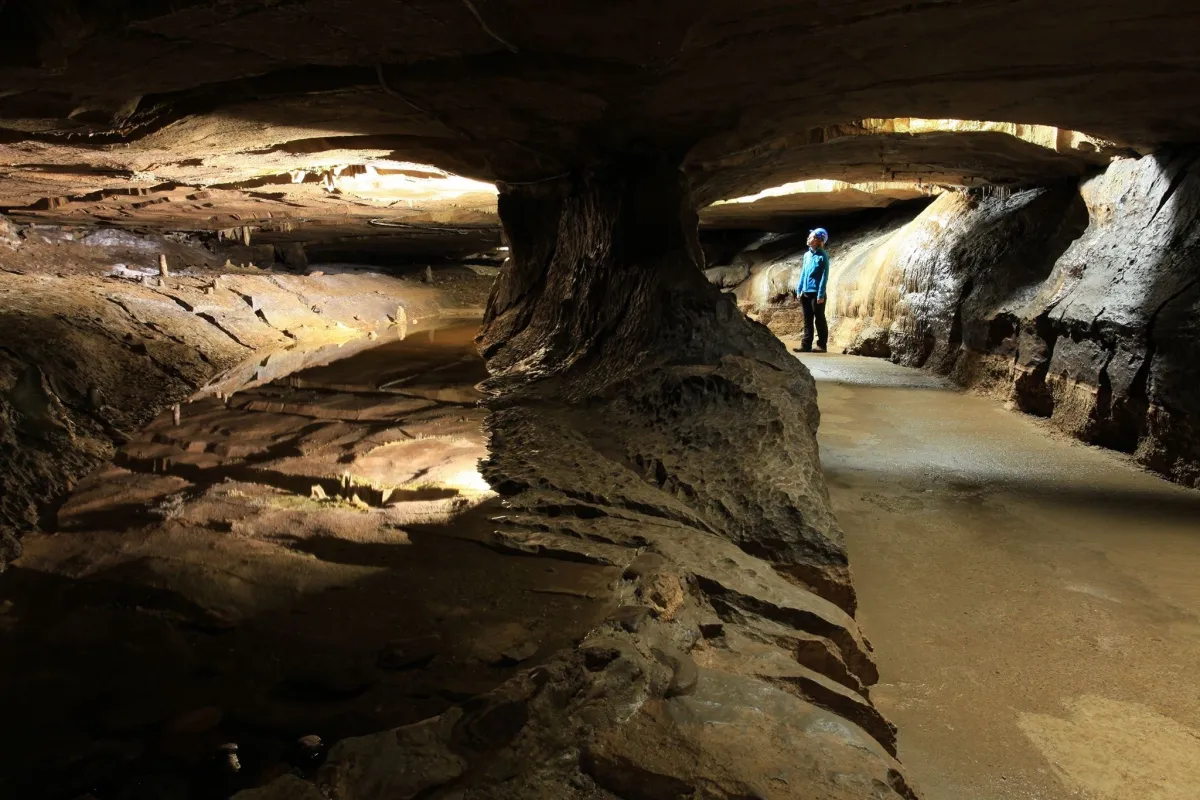 Photo: Ingleborough Cave, via www.yorkshiredales.org.uk
Tonight's group includes a concertina player from Settle, a sound artist from Manchester, and a traditional singer whose family roots run deep in the Yorkshire Dales. As we settle into a chamber known locally as the Cathedral, the usual pre-session chatter dies away. There's something about these spaces that demands a different kind of attention.
The session begins quietly — a simple melody on the concertina, tentative at first, then growing in confidence as the musician learns to work with the cave's natural delay. The sound bounces off limestone walls worn smooth by millennia of water, each echo slightly different from the last, creating a natural chorus that no electronic effect could replicate.
When the traditional singer joins in, something magical happens. Her voice — trained in the unaccompanied style of Dales folk songs — finds harmonies in the stone itself. The cave becomes her backing choir, each verse returning with subtle variations as the limestone adds its own interpretation.
Technology Meets Geology
Not all of the underground music scene is acoustic. Sound artist James Whittle has spent months installing sensitive recording equipment in caves across the Peak District, capturing not just the music but the ambient sounds of the underground environment — the drip of water, the movement of air, the almost inaudible groans of settling stone.
"Caves are never silent," Whittle explains, adjusting microphones in a chamber deep beneath Castleton. "They're constantly making music — you just have to know how to listen. My job is to make that conversation audible, to bring the voice of the stone into dialogue with human musicians."
His recordings, released under the collective name "Deep Earth Sessions," capture something genuinely new in British folk music — collaborations between human artists and the landscape itself. The results are haunting: traditional ballads where the chorus comes from limestone, experimental pieces where the rhythm is provided by dripping water, folk songs that seem to emerge from the earth itself.
The Practical Magic of Stone and Song
Working in caves presents unique challenges. Equipment must be waterproofed, power comes from batteries, and the constant humidity can wreak havoc on wooden instruments. But the musicians I meet speak of these limitations as creative opportunities rather than obstacles.
"In a normal studio, you can fix anything, change anything, add endless layers," says multi-instrumentalist Rob Fletcher, who's been organising cave sessions for three years. "Down here, you get one chance. The cave hears everything — every breath, every mistake, every moment of uncertainty. It makes you play differently, more honestly somehow."
The cold is another factor — caves maintain a constant temperature year-round, usually around 8-10 degrees Celsius. Musicians learn to dress in layers, to warm their instruments gradually, to accept that their fingers might never feel entirely nimble. But many report that these constraints lead to a different kind of playing, more thoughtful and deliberate.
Ancient Futures
As word spreads about Britain's underground music scene, interest is growing from unexpected quarters. The National Trust has begun hosting guided acoustic tours in some of their cave properties. Recording studios are booking sessions in accessible cave systems. Folk festivals are adding underground venues to their programmes.
But the core community remains small and dedicated — musicians who've discovered that some of Britain's most extraordinary acoustic spaces have been hiding beneath our feet all along. They're not trying to recreate the past so much as continue a conversation that was interrupted by centuries of forgetting.
"I think our ancestors knew something we lost," reflects Sarah Chen, packing her violin after another session in the Derbyshire depths. "They understood that the landscape itself could be a musical instrument, that the earth had its own voice. We're just learning to hear it again."
As we emerge into the cool night air, the silence feels different — not empty but full of possibility. Somewhere beneath every hill, every moor, every seemingly ordinary field, there might be another chamber waiting to sing, another underground cathedral where stone and song conspire to create something that touches the sacred. The musicians of Britain's cave scene are the new custodians of these ancient concert halls, keeping alive a tradition that runs as deep as the limestone itself.