The Tombola Is Infrastructure: In Defence of the Gloriously Unserious Village Fête
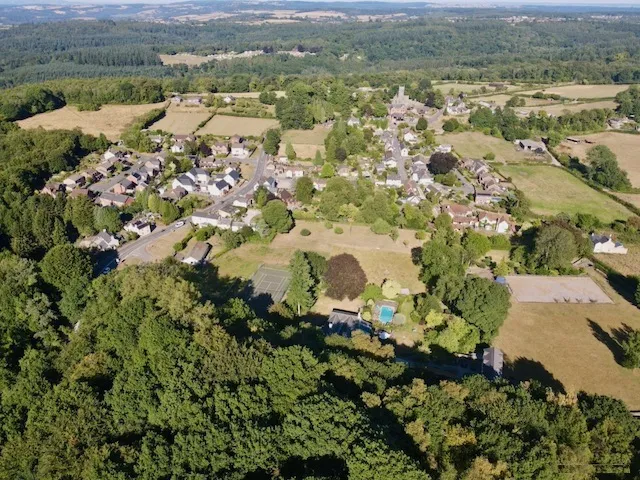
Photo: Peter Randall-Cook , CC BY-SA 2.0, via Wikimedia Commons
There is a certain kind of person who looks at a village fête and sees a series of Health and Safety concerns. There is another kind of person who looks at it and sees a tombola. I am firmly with the second group, and this is my case.
The fête is regularly written off as quaint, dated, or a bit naff. It is none of those things. It is the cheapest community infrastructure this country has ever built, and it is currently being quietly replaced by 'experiences' with a sponsor's logo on the bunting. That is a bad trade.
1. The coconut shy is an economics lesson
Three balls for a pound. A coconut you cannot possibly eat without a hammer. A man behind a trestle table who has been running this stall since before you were born and who has, you suspect, weighted the balls.
The coconut shy teaches children something the rest of the year carefully avoids: that a small amount of money can vanish in four seconds, and that this is occasionally worth it. It is the first gamble most British people ever take, and it takes place in a field, in front of a vicar, for a prize worth about 90p.
It also requires someone to source coconuts in bulk, which is a genuine logistical achievement, and someone to paint the shy. The one in our village is painted green and has been leaning to the left since 1997. Nobody has ever fixed it, because the lean is part of the challenge.
2. The sack race invented the staggered start
Watch a sack race closely and you'll see a piece of pure social engineering. The tall child is not penalised. The small child is not helped. Everyone simply accepts that the outcome is unfair, that the unfairness is the joke, and that the eight-year-old who falls over will be cheered by the same people who will later cheer the winner.
There is no other institution in Britain that manages this so gracefully with so little paperwork.
3. Welly wanging is a sport with no committee
A welly, a run-up, a tape measure, and the far end of a field. That's it. That's the format. Upperthong, over in West Yorkshire, has been running world championships in it for decades, and the rules remain comprehensible to a six-year-old: you throw the boot, it lands, someone writes it down.
Compare that to any sport that requires membership, kit, insurance and a safeguarding lead. Welly wanging asks for a boot. Bring your own.
4. The tombola is a sacred object
The tombola table is the spiritual centre of the fête, and it smells of damp because it has been in a garage since August. The prizes are: a bottle of something, a set of hand creams, a jigsaw with four pieces missing, and a jar of homemade chutney with a label written in biro.
People queue for it. Adults who would not queue for a restaurant will queue for the tombola, because the tombola is not really about winning. It is about the seven seconds between putting your hand in the drum and pulling out a ticket, during which anything is possible.
The bottle stall next door is the same principle with worse odds and better prizes. Long may they both stand.
5. The white elephant stall is a redistribution service
Somebody's unwanted fondue set becomes somebody else's fondue set. The money goes to the church roof. No algorithm, no delivery van, no packaging. It is possibly the most efficient circular economy in the county and it runs entirely on a card table and a sense of shame about owning a fondue set.
6. Guess the weight of the cake is applied mathematics
Nobody has ever got this right, which is why it works. The cake is usually enormous and always slightly warm.
How to bring it back without ruining it
So you want the games back. Good. Here's how not to wreck them.
Keep cash in play. A fête where every stall takes card is a fête where children cannot be given a pound and sent off. Get a float. Borrow a tin. The physical passing of a coin is half the fun and all of the memory.
Do the boring bits properly, then forget them. Public liability insurance through a recognised body, a written risk assessment, first aid, and — check this locally with your council — the right paperwork for raffles and tombolas, since small lotteries at events have their own rules. Once that's done, stop worrying. Nobody ever injured themselves on a hook-a-duck.
Refuse the branded takeover. If a sponsor wants a logo on the bunting, thank them and take the money, but do not let them rename the sack race. The moment you call it an 'activation', the games stop being yours.
Let the games be badly run. The stall where the ping-pong balls bounce out of the jam jars, the skittles set up on a slope, the coconut shy leaning left — that's the texture of the thing. A perfectly operated fête is not a fête. It's a product demo.
Book the silver band. Before the brass. Always before the brass.
The serious bit
A fête is where a parish annually confirms it exists. The same people who nod at each other all year actually stand still for four hours, hand over pound coins, lose at skittles, buy a raffle ticket, and watch their children sprint in a sack. Nothing else does that.
So next summer, when the bunting goes up and the tombola drum comes out of the garage smelling faintly of a shed, don't be clever about it. Buy three tickets. Have a go at the coconuts. You are not just supporting the roof fund. You are propping up the whole idea of the place.