Keep the Shilling Local: The Case for the Village That Writes Its Own Panto
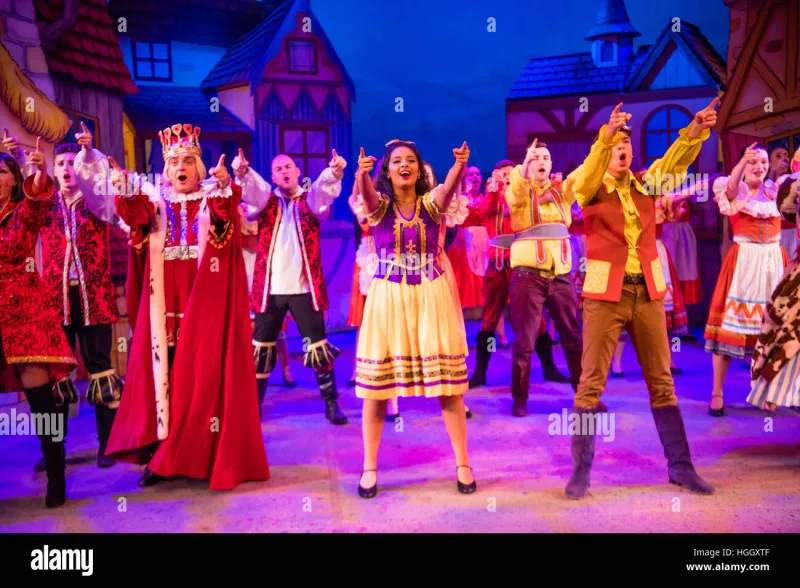
Photo: amateur village pantomime performance community hall stage costumes UK, via c8.alamy.com
Let Me Get the Bias Out of the Way
I think the village pantomime is the best theatre institution in Britain, and I'm tired of it being treated as the amateur cousin of the 'real' industry. Bear with me.
In the parish hall at Eastvale — name changed, because the committee is shy and the vicar is not — the midwinter show has been written locally, cast locally, funded locally and performed locally for eleven consecutive years. Nobody from outside is imported. Nobody from inside is paid. Last January the production turned a modest profit of £1,400, which bought the hall a new boiler and the youth club a set of stage lights. Try extracting that from a touring pantomime's balance sheet.
The Old Magic, Slightly Rewired
Community pantomime sits in a long British lineage. The mummers' plays that once toured village to village at midwinter — St George, the Turkish Knight, death and resurrection in fifteen minutes flat — were never professional theatre. They were a community performing itself to itself, collecting a hat of coins for a good cause. The modern village panto is that impulse with better jokes and worse wigs.
What's changed recently is the ownership model. Across the country, villages are crowdfunding productions, pre-selling tickets to fund sets, and — crucially — writing their own scripts rather than buying in a licensed one. The result is theatre that actually belongs to the place: jokes about the bypass, a dame who is also the postmistress, a villain modelled (lovingly, legally, mostly) on the parish council chair.
What Happens When the Money Stays
Here's the radical bit. A commercial panto extracts: ticket revenue flows to a producer, often outside the region, and the audience goes home having consumed something. A community-owned panto circulates: the ticket money pays the heating bill, the set is borrowed from the farmer, the costumes come out of three generations of wardrobes, and the £9 family ticket keeps a family warm in January.
The multiplier effect isn't sentimental — it's arithmetic. And the cultural effect is bigger still. In Eastvale, the panto is the one event of the year where a fourteen-year-old drummer, an eighty-year-old retired teacher and the landlord of the Black Bull share a billing and a dressing room. You cannot buy that cohesion. You can only rehearse it.
Yes, It's Rough. That's the Feature
The standard objection: it's amateurish. Missed cues, wobbly scenery, a fairy godmother who forgets her lines. All true. All irrelevant.
Because the panto's job was never polish. Its job is participation — the audience shouting, the kids dragged up, the dame responding to something nobody scripted. A touring production offers you a seat. A village panto offers you a role, whether you want one or not. The roughness is the sound of a community talking to itself.
The Mummers Would Approve
There's a strand of this that goes even older than panto proper: the revival of mumming troupes, who take short traditional plays around pubs and doorsteps at solstice, collecting for local causes. Some villages now run both — a mummers' tour in December, a full panto in January — a double bill of self-made midwinter theatre spanning perhaps six centuries.
So here's my modest proposal. Before your village buys in the touring show this year, ask what would happen if you wrote your own. Cast the postman. Fund the boiler. Keep the shilling local. The mummers didn't have a producer, and look how long their show ran.