Woven From the Wood: The Hazel Hurdle Makers Stitching Britain's Farming Past Into Its Future
Woven From the Wood: The Hazel Hurdle Makers Stitching Britain's Farming Past Into Its Future
There's a particular sound that comes from a freshly split hazel rod — a clean, fibrous crack that travels up through your hands before your ears have even registered it. It's the sound of a craft that kept Britain's sheep-fold farming alive for centuries, and it's one that very few people alive today have heard in a working context. Hazel hurdle making — the ancient practice of weaving flexible rods into portable, interlocking livestock panels — was once as unremarkable a sight on a Dorset hillside as a flock of Dorset Horns themselves. Now it occupies a strange territory: not quite extinct, not quite thriving, but unmistakably alive in the hands of a small, tenacious community of craftspeople.
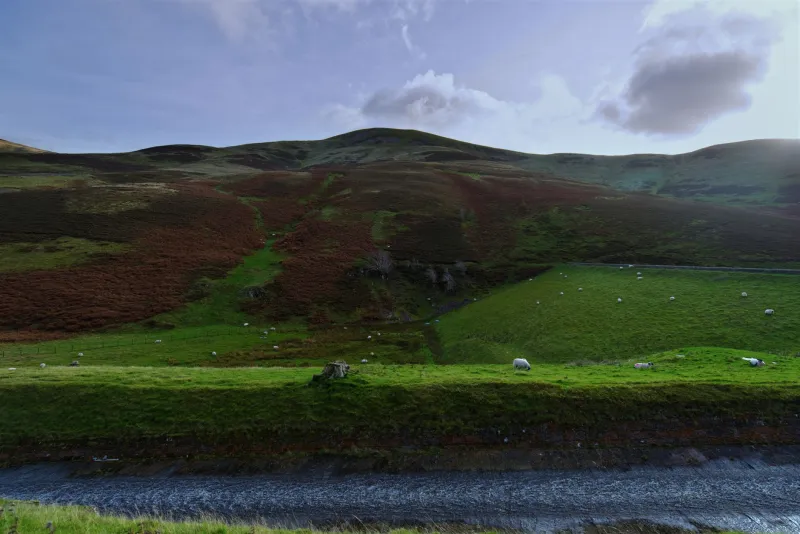
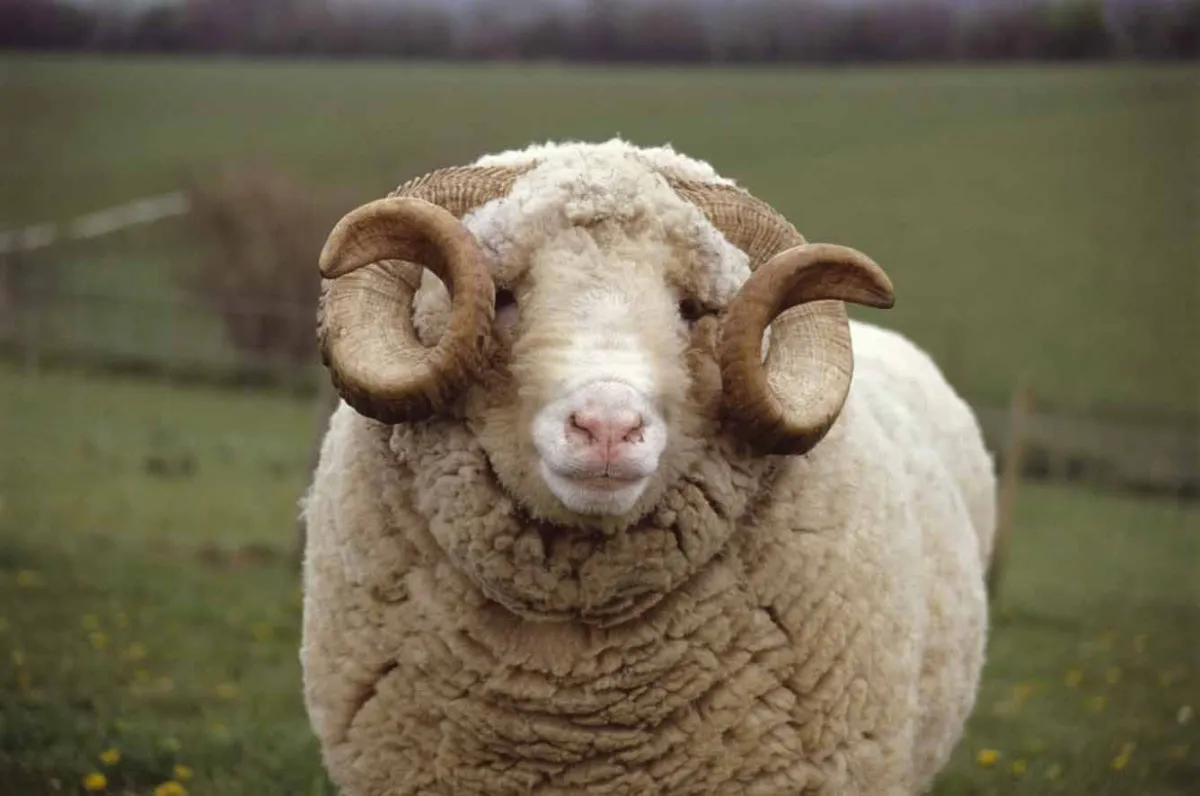 Photo: Dorset Horns, via i.pinimg.com
What a Hurdle Actually Is (And Why It Mattered)
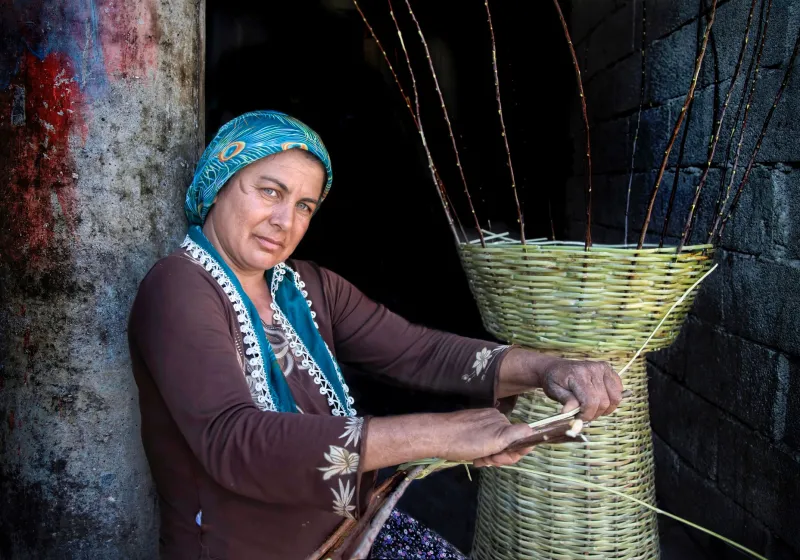
For anyone who's only ever encountered the word in a running context, a hurdle in the agricultural sense is a lightweight, portable fence panel — traditionally around six feet wide and three feet tall — woven from the stems of coppiced hazel. Sheep farmers used them in their hundreds, folding flocks onto specific fields in rotation, using the hurdles to create temporary enclosures that could be dismantled and reassembled overnight. It was precision land management long before anyone coined the phrase: the sheep fertilised the soil, the hurdles directed them, and the woodland that supplied the hazel was carefully maintained on a rotation that ensured a steady, sustainable harvest year after year.
The craft was intimately tied to the coppicing cycle. Hazel stools — the ancient root systems that send up fresh growth after cutting — were managed on roughly a seven-year rotation, producing straight, flexible rods of exactly the right thickness for weaving. The hurdle maker and the woodland were partners in a relationship that shaped the landscape of lowland England in ways we're still reading in the countryside today.
The Craft in Surviving Hands
In the Hampshire village of Bramdean, one of the country's last full-time hurdle makers still sets up his shave horse before dawn in the autumn months, when the hazel is at its most workable. He learned the trade from his father, who learned it from his, and he's matter-of-fact about both the beauty and the economics of what he does. "People romanticise it," he says, without looking up from a rod he's splitting with a froe. "It's hard physical work. Always has been. The romance is what keeps the interest going, but it's the orders that keep me going."
Those orders have shifted over the decades. Where once they came almost exclusively from sheep farmers, today they arrive from garden designers, heritage estate managers, and a growing number of smallholders who want fencing that doesn't require a hardware shop or a van full of power tools. A well-made hurdle, properly maintained, will last fifteen to twenty years. It can be repaired with materials cut from a hedgerow. It leaves no chemical residue, no plastic waste, no carbon-heavy manufacturing footprint.
In Dorset, a small cooperative of hurdle makers — three practitioners working across the Blackmore Vale — have begun offering workshops alongside their commissioned work. Demand for places has consistently outstripped supply since they started advertising them. "We've had architects, ecologists, farmers, and a retired GP all in the same session," one of the cooperative's founders explains. "People are hungry for something that makes sense with their hands. Something that connects the material to the place it came from."
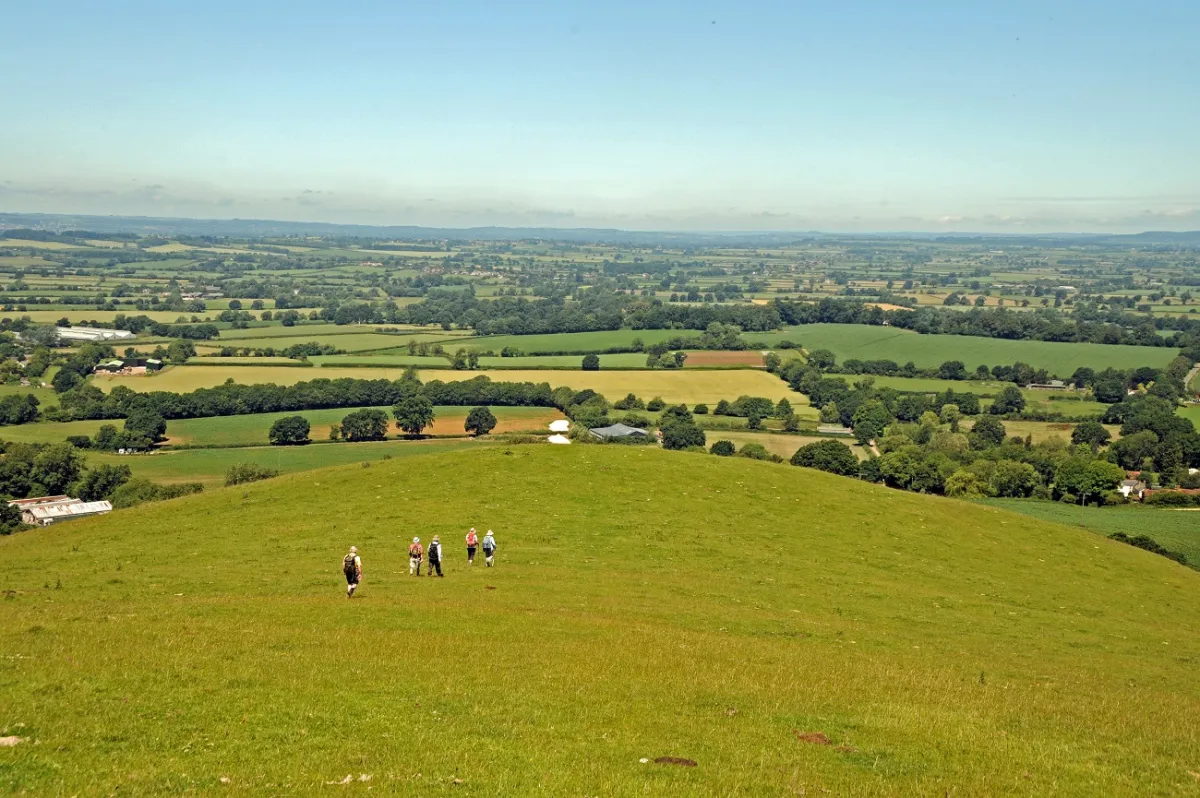 Photo: Blackmore Vale, via www.bradtguides.com
Woodland, Woven
You can't talk about hurdle making without talking about coppicing, and you can't talk about coppicing without talking about the health of Britain's ancient woodland. The two are so deeply intertwined that the decline of one has directly accelerated the decline of the other. As hurdle making faded through the mid-twentieth century — undercut first by barbed wire, then by mass-produced metal and plastic fencing — the demand for managed hazel coppice collapsed with it. Unmanaged coppice becomes overgrown, shaded out, and biologically impoverished. The bluebells and wood anemones that carpeted the woodland floor under the open canopy of regularly cut hazel begin to disappear. The dormice and nightingales that depended on the structured, varied habitat of a working coppice find themselves without a home.
The revival of hurdle making, however modest, is therefore not just a craft story. It's an ecological one. Every hurdle maker working today is also, in some sense, a woodland conservationist — creating the economic justification for keeping hazel coppice in active management. Several practitioners have begun working directly with wildlife trusts and conservation bodies, supplying hurdles while simultaneously helping to restore neglected coppice to something approaching its former richness.
The Question of Scale
The uncomfortable truth is that hurdle making as a mass agricultural practice is almost certainly gone. The economics of modern sheep farming simply don't support the labour costs involved, and the farming landscape has changed too profoundly for the old sheep-fold rotation system to make widespread sense. What remains is something different: a craft sustained by a combination of genuine agricultural utility at the smallholder and heritage estate level, growing ecological awareness, and a cultural appetite for objects that carry meaning beyond their function.
Whether that's enough to constitute a genuine revival or simply a dignified persistence is a question the hurdle makers themselves seem relaxed about. "I'm not saving anything," the Hampshire maker says, finally setting down his rod and looking up. "I'm just doing what makes sense. If more people decide it makes sense to them, then brilliant. If not, the craft'll survive in some form. It always has."
There's something quietly reassuring in that. The hazel stools in the Hampshire woods have been sending up new growth for centuries, outlasting fashions, economies, and empires. The hurdle maker bends a fresh rod, and it gives without breaking — which, when you think about it, is exactly what a living tradition is supposed to do.